
Started in the Rijksmuseum: A Growing Jungle of Echoes
A Growing Jungle of Echoes is a participatory artwork inspired by the work of the 17th-century artist and naturalist Maria Sibylla Merian, while opening space for contemporary perspectives and conversations wherever the project unfolds.
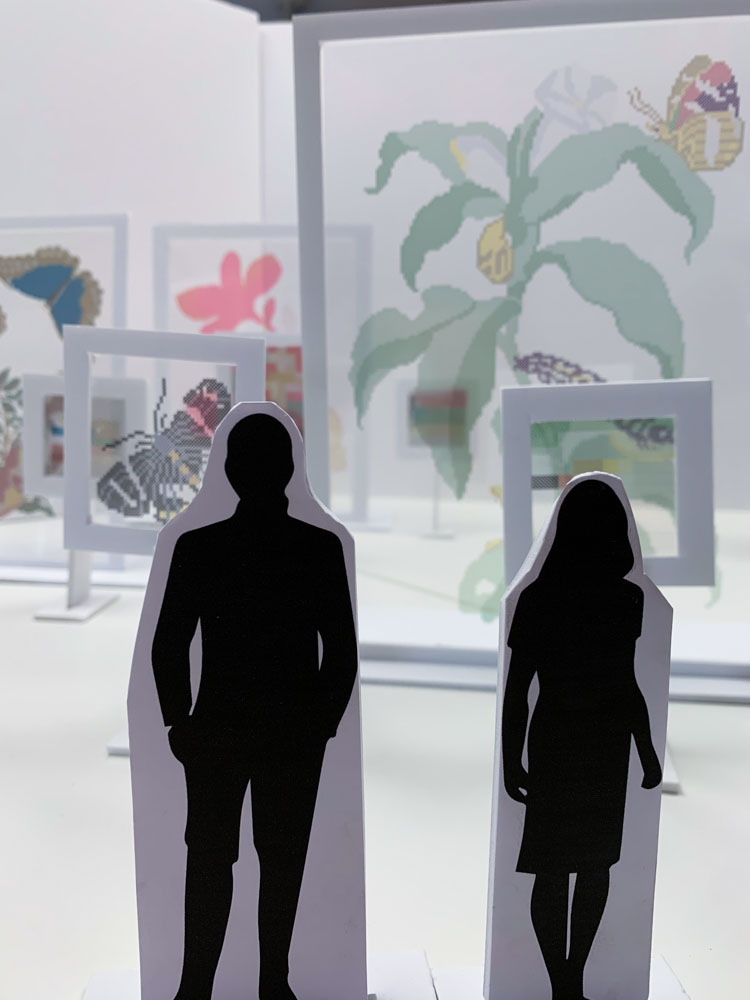
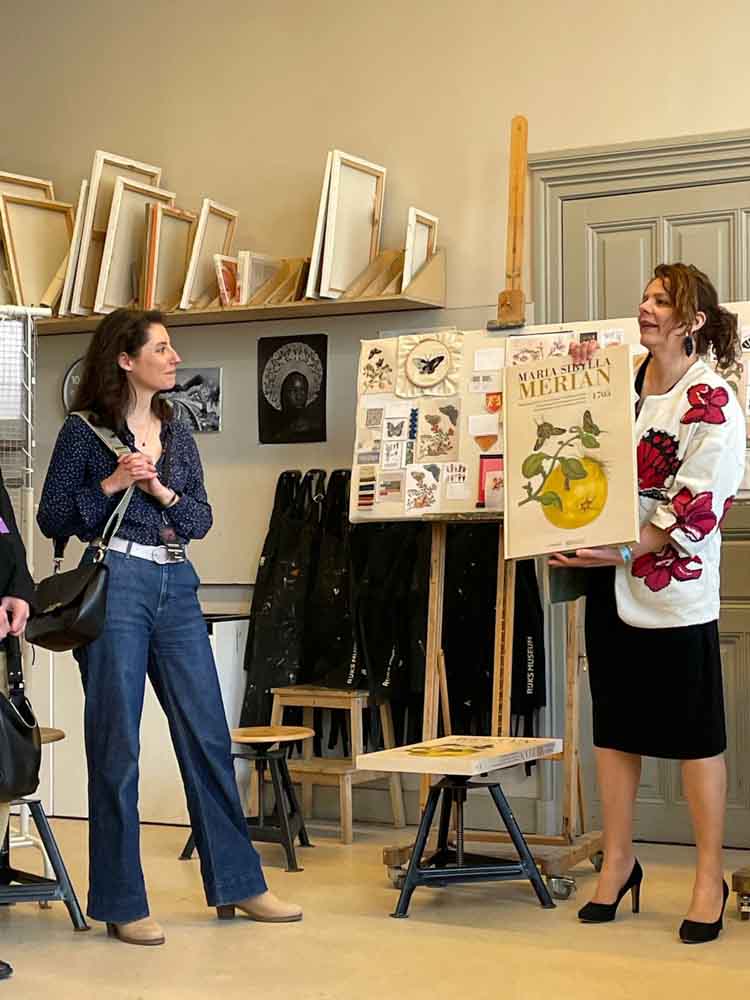
The project began while artist Gerda was researching the Rijksmuseum collection for the Women in the Museum 2026 (9–10 March 2026) symposium. During this research she encountered Merian’s groundbreaking publication Metamorphosis insectorum Surinamensium.
Living and working, around the corner of Gerda’s studio in Amsterdam more than three hundred years ago, Merian devoted her life to observing insects and documenting their metamorphosis. At a time when women were excluded from scientific institutions, she independently studied species and later travelled to Suriname with her daughter to observe them firsthand. She also financed and distributed her own work, publishing prints in both black-and-white and hand-coloured editions.
What fascinated Gerda most was the intensity of Merian’s observation — the patience and care with which every insect and plant was depicted.
When plates come alive
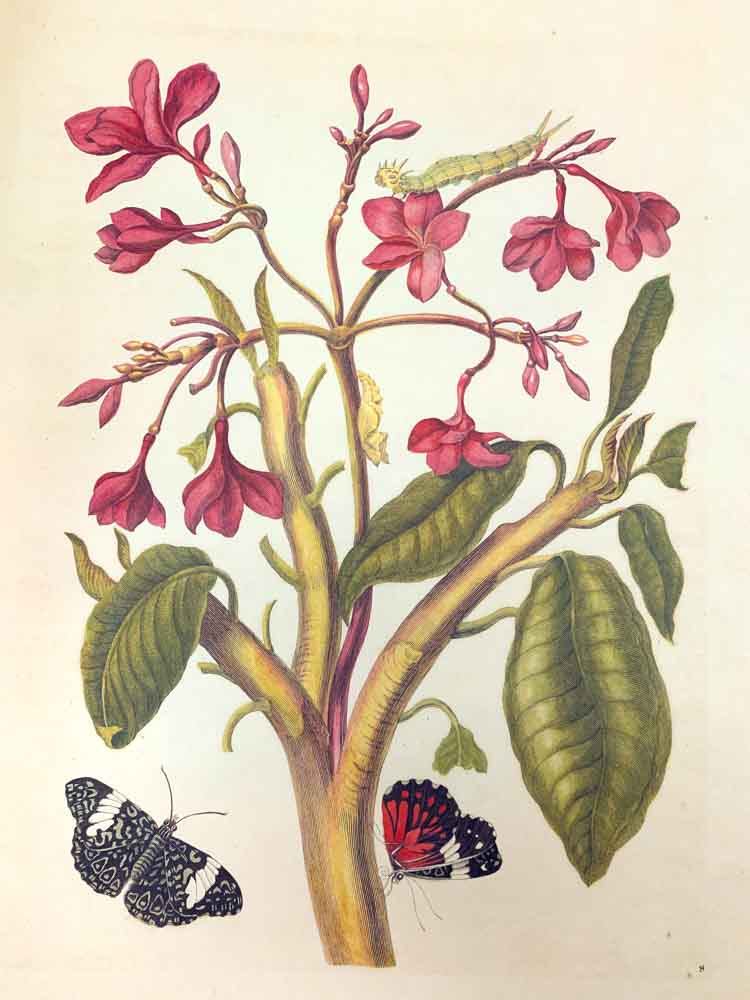
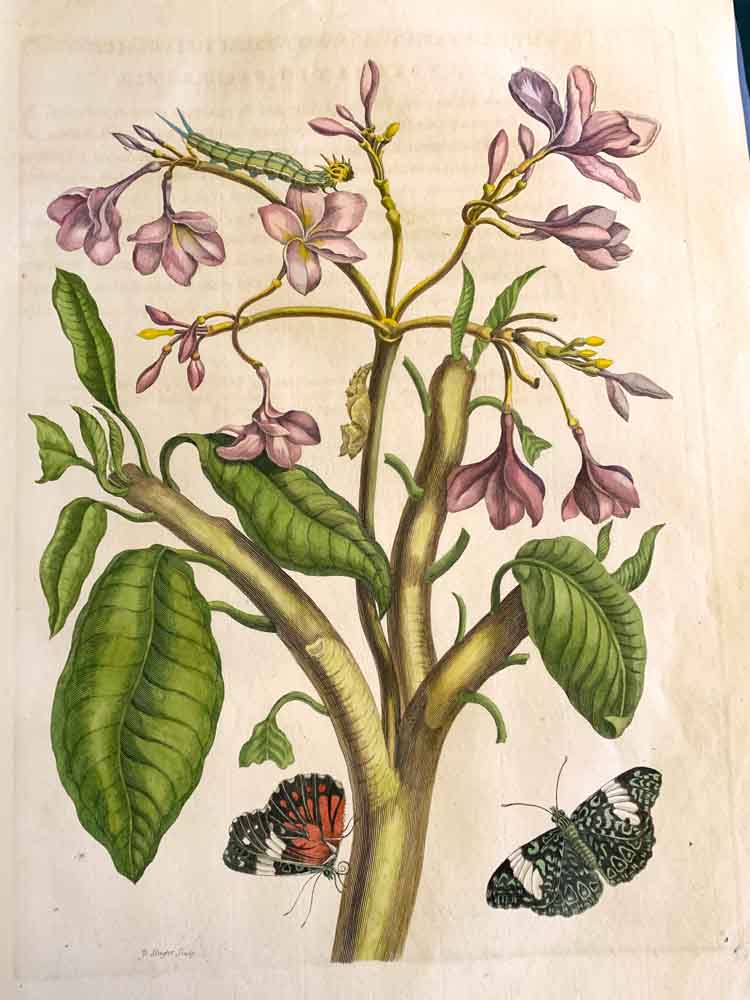
One illustration became the starting point of the project: Plate 8, showing a frangipani plant with the red cracker butterfly.
In the hand-painted book Metamorphosis insectorum Surinamensium (1705) owned by the KB National Library in the Hague, the flowers appear bright pink and red. But when the same print was studied in the book of the Rijksmuseum collection, the image appeared different: the colours shifted toward lilac and the composition was mirrored.
The same image suddenly produced a completely different experience.
This discovery revealed something fundamental: although the image remains the same, our perception of it can change.
Merian described the frangipani as a jasmijnboom with beautifully fragrant flowers, a scent often described as almond-like jasmine. The male red cracker butterfly also produces a small cracking sound when flying, like tiny electric sparks in the air.
These sensory details became an important inspiration for the project.
Perception and color
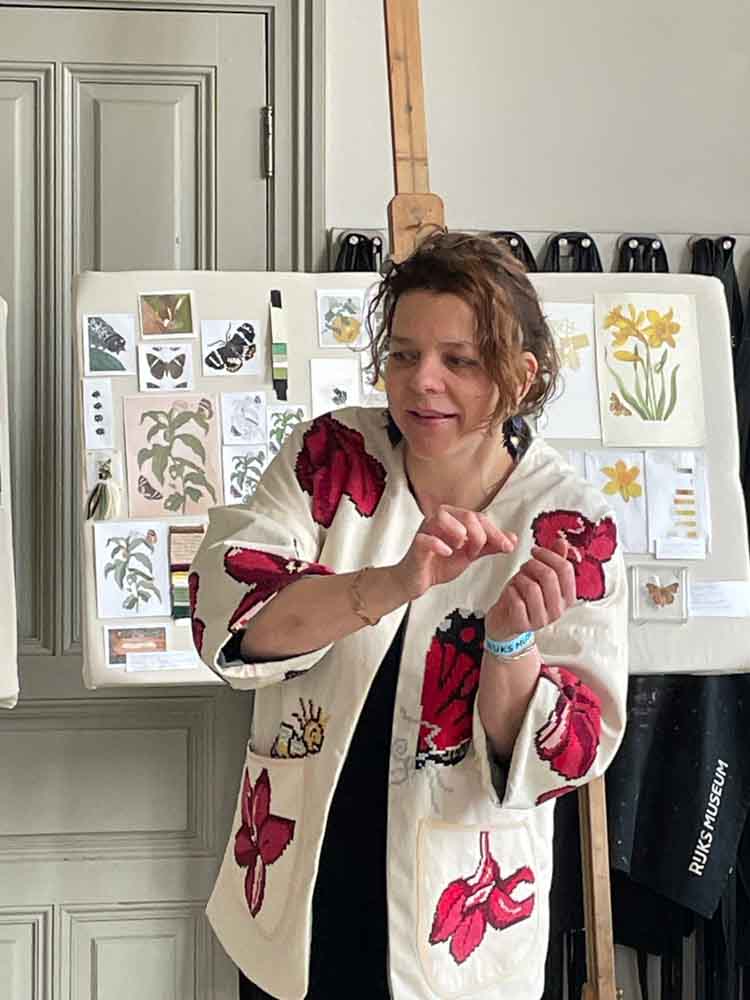
In her studio, Gerda began translating Merian’s work into experiments with colour studies, threads, and reinterpretations of Merian’s images.
Meanwhile, she had vivid discussions with visitors to her studio about the work of Merian. Everyone came with different associations and stories.
- Some connected with the artistic qualities of her work and the technical skill required to produce such pieces.
- Others shared stories related to the animals or plants depicted, including personal memories, symbolic meanings, medicinal values, or admiration for biodiversity.
- There were also conversations about her life in Germany, growing up in an entrepreneurial family, and what she may have learned helping in the printing companies from her relatives.
- Her time with the Labadist community in Friesland and her divorce opened up very different discussions.
- Her adventurous journey to Surinam with her daughter—more than two months by boat, entirely self-funded—was particularly remarkable for a woman of that time.
- Others reflected on the role of enslaved and Indigenous people in her research in Surinam and what it means to be hidden in history
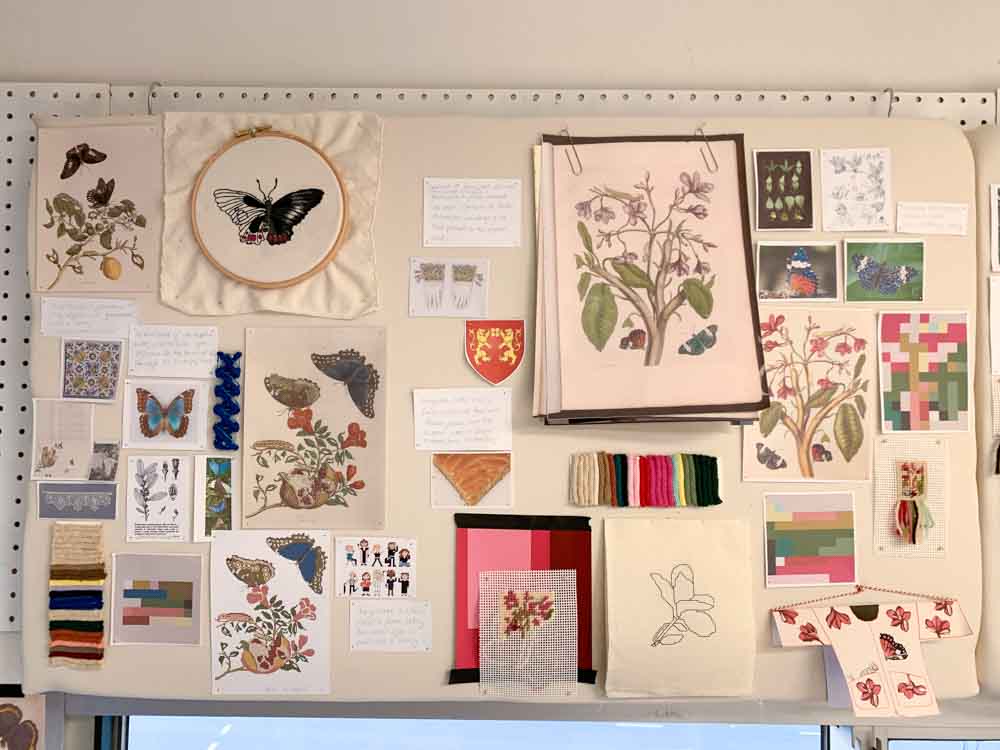
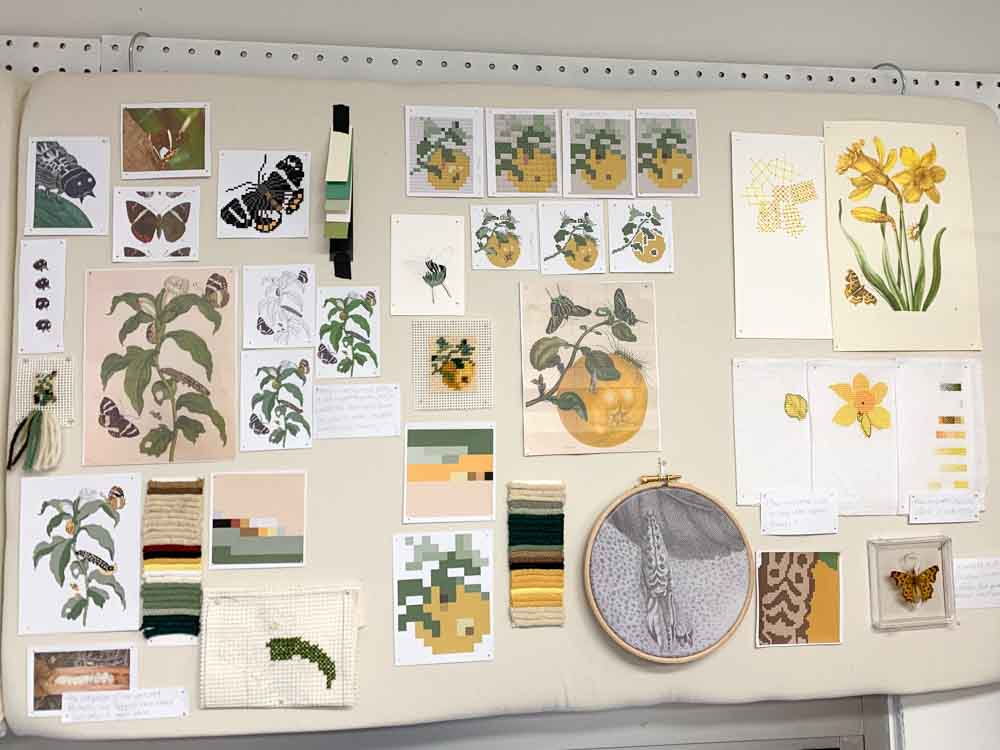
Each person came with their own perspective, influenced by their personal, cultural, and social history. We all see through the lens of our experiences.
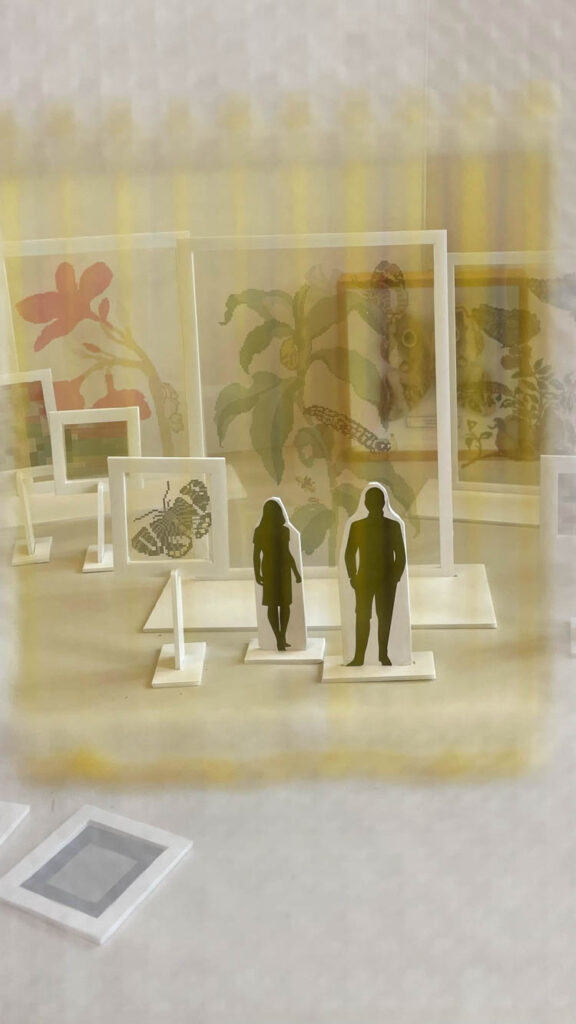
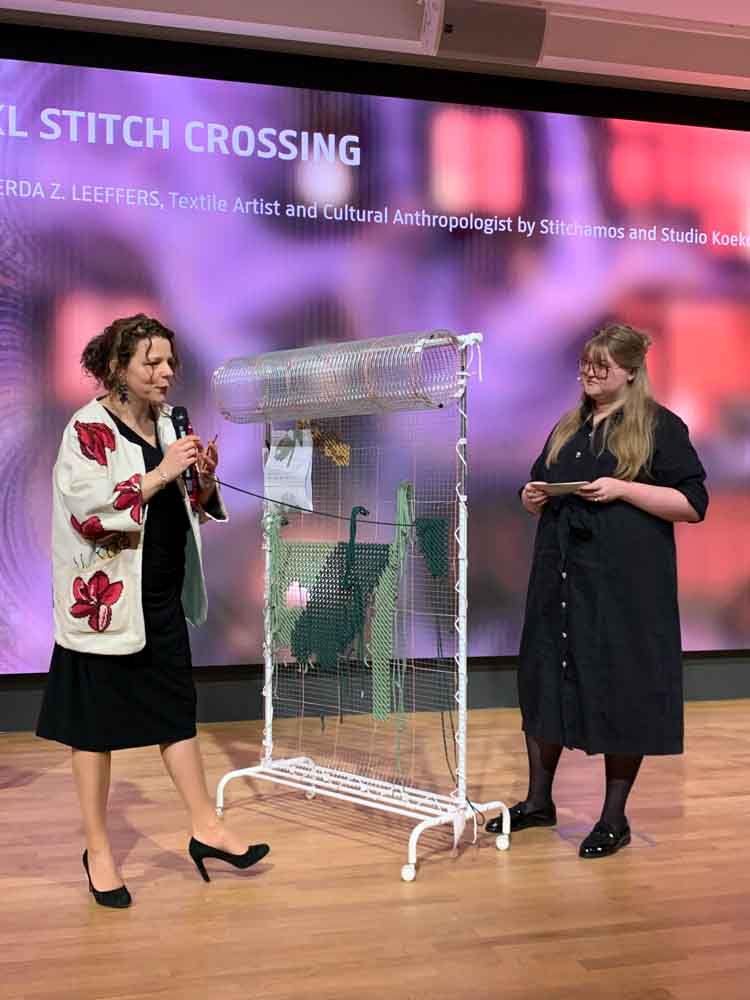
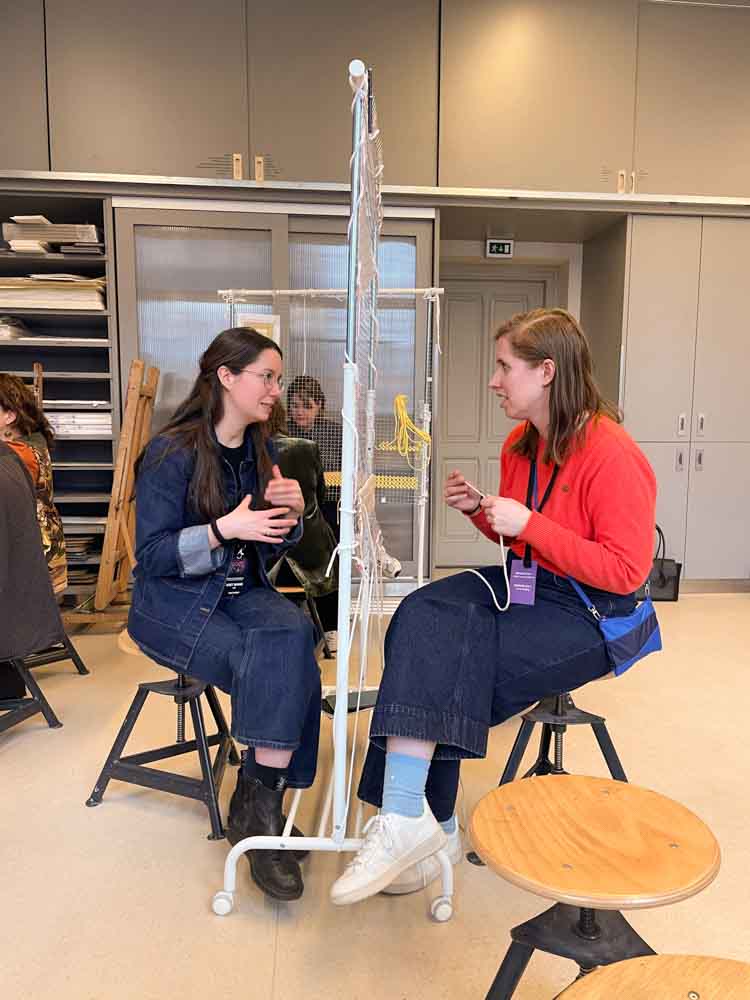
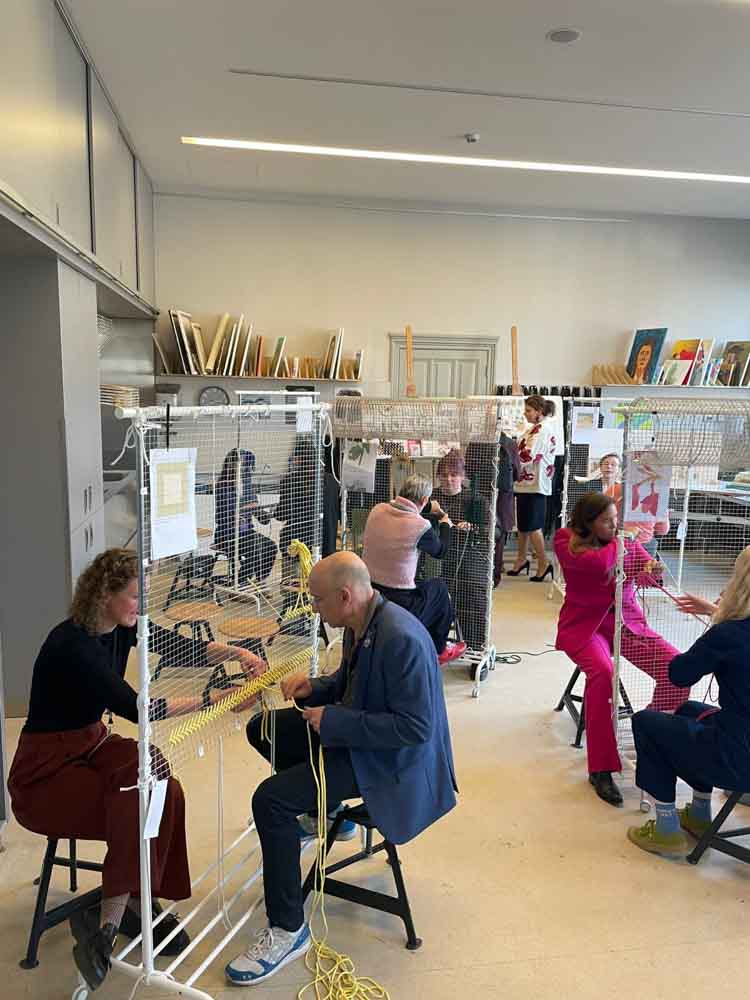
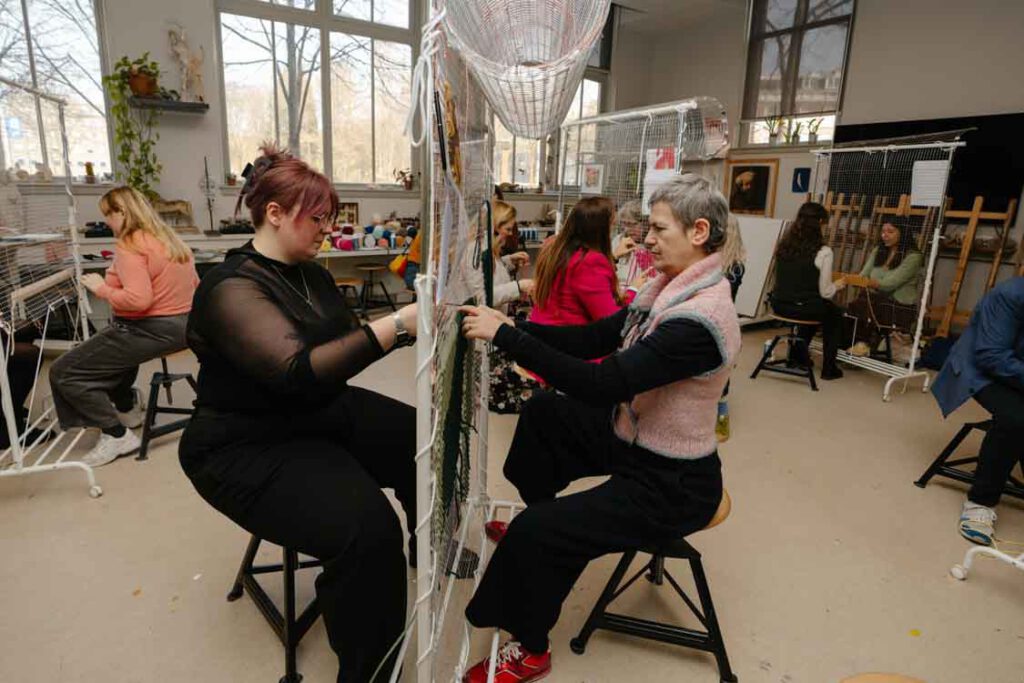
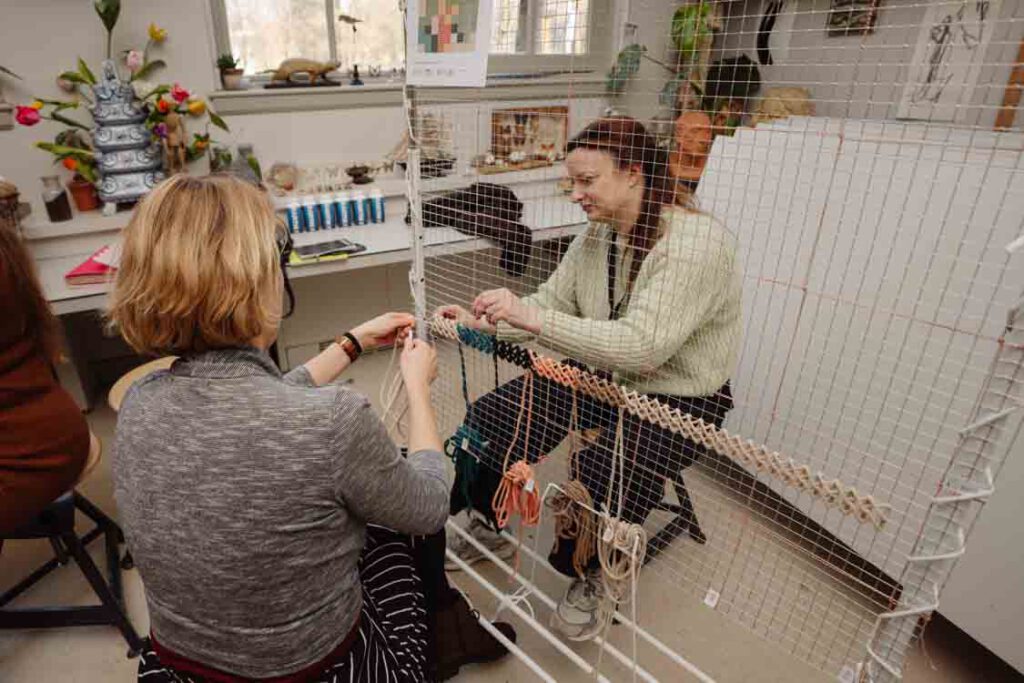
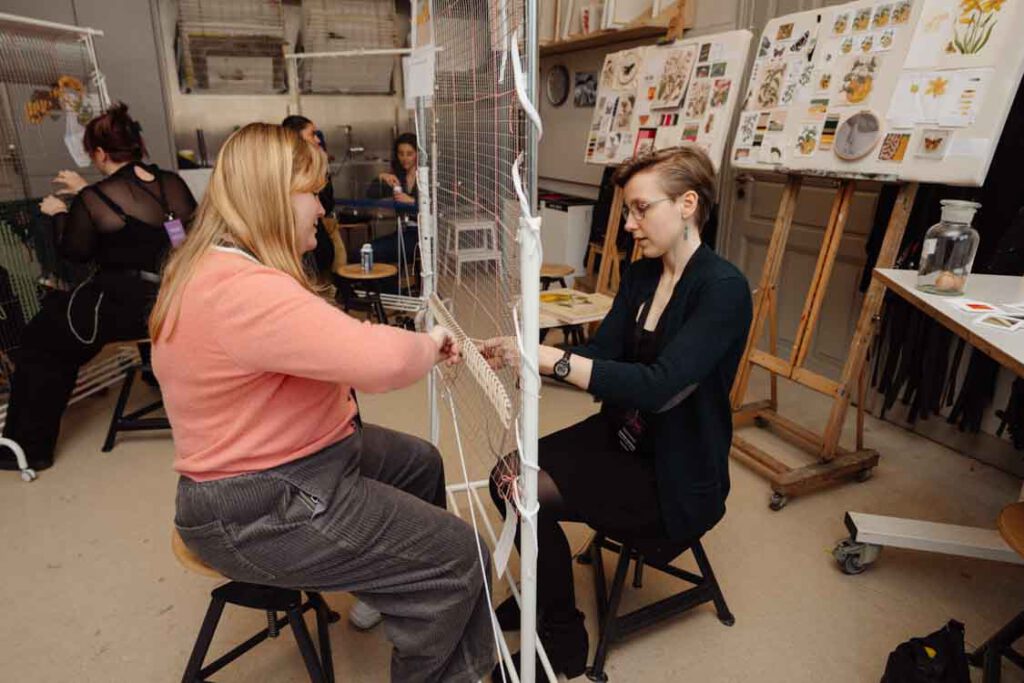
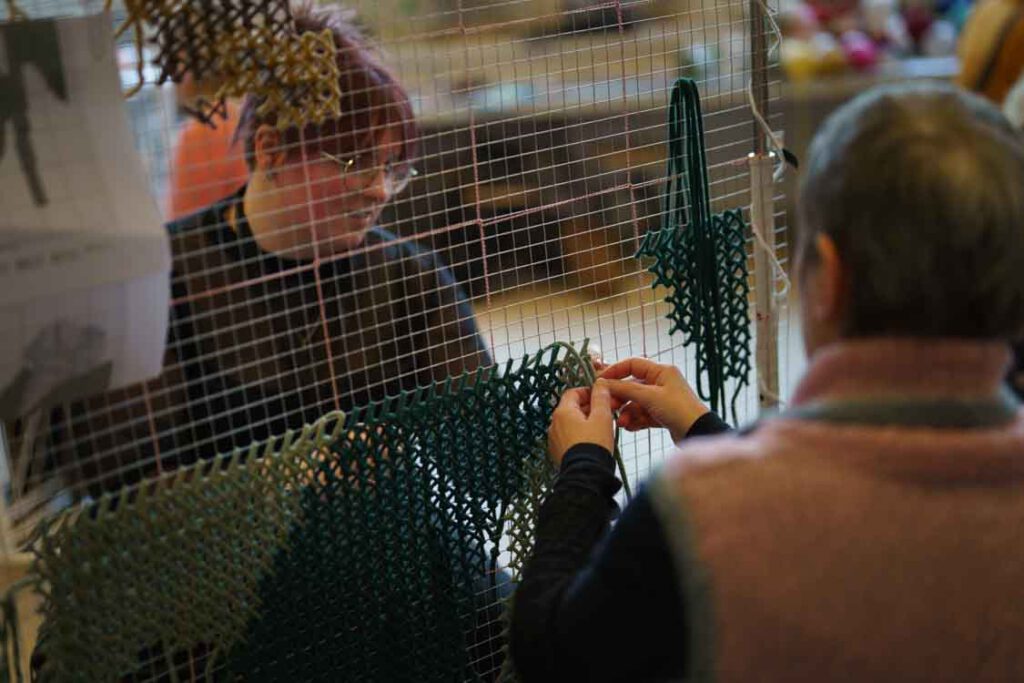
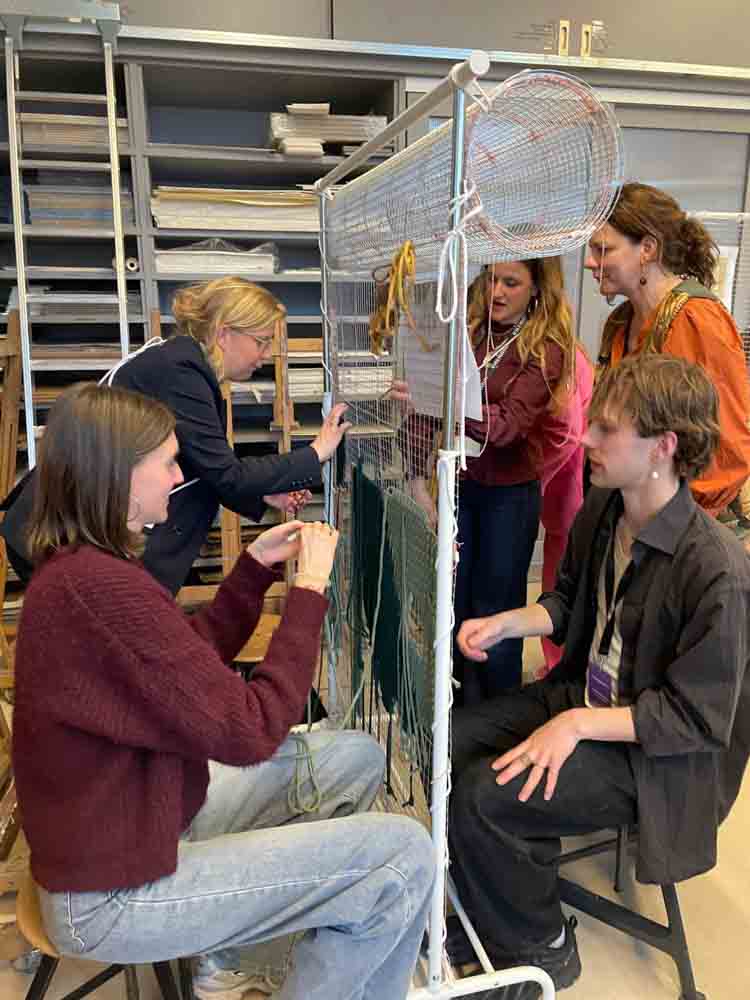
Gerda’s studies and conversations gradually evolved into a design for a participatory artwork: a growing jungle composed of large, collective cross-stitched pieces inspired by Merian’s illustrations. References to the many conversations, together with smells and sounds, are woven into the work, allowing Merian’s plates to slowly come alive.
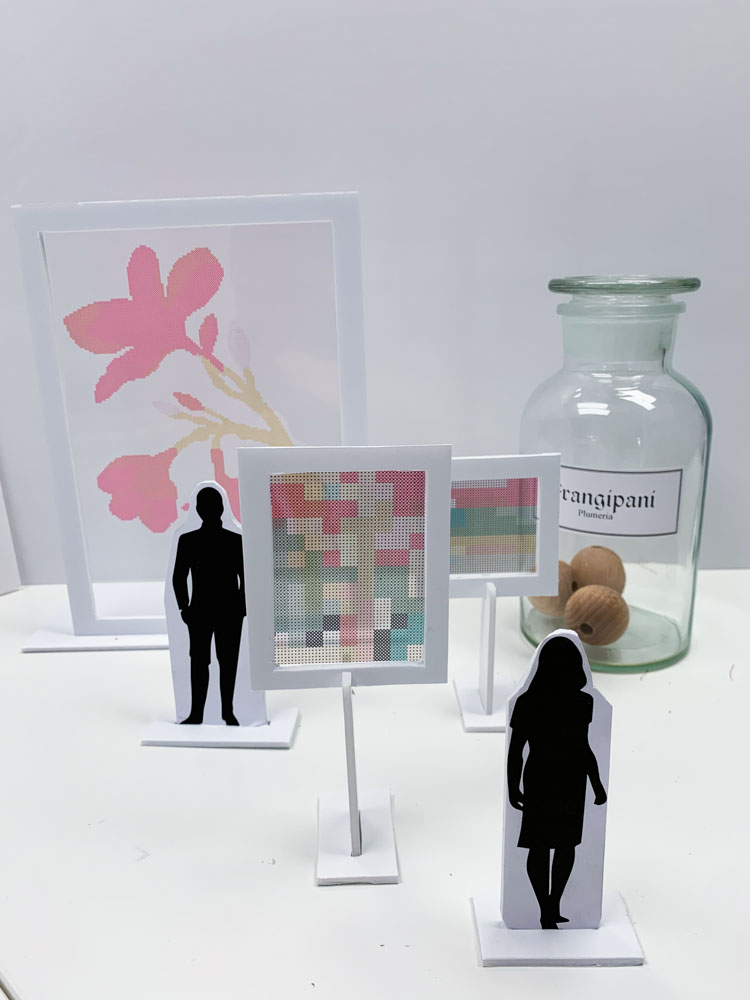
Reflecting on these different perspectives, the installation also includes a set of frames with colour filters that subtly shift the tones of the images. As a result, each viewer encounters the work slightly differently, responding to it from their own visual perspective.
This research has also made me more aware of my own position as a Dutch maker. The more I learned about Suriname and its history, the more I became aware of how much I had not learned about this history myself. I experience this as an ongoing process of learning.
Rather than trying to speak for histories or perspectives that are not mine, I am interested in creating situations in which we can look, make, question and learn together. The participants bring their own knowledge, memories and associations to the images, allowing new layers of meaning to emerge through the act of stitching.
Scent and memory
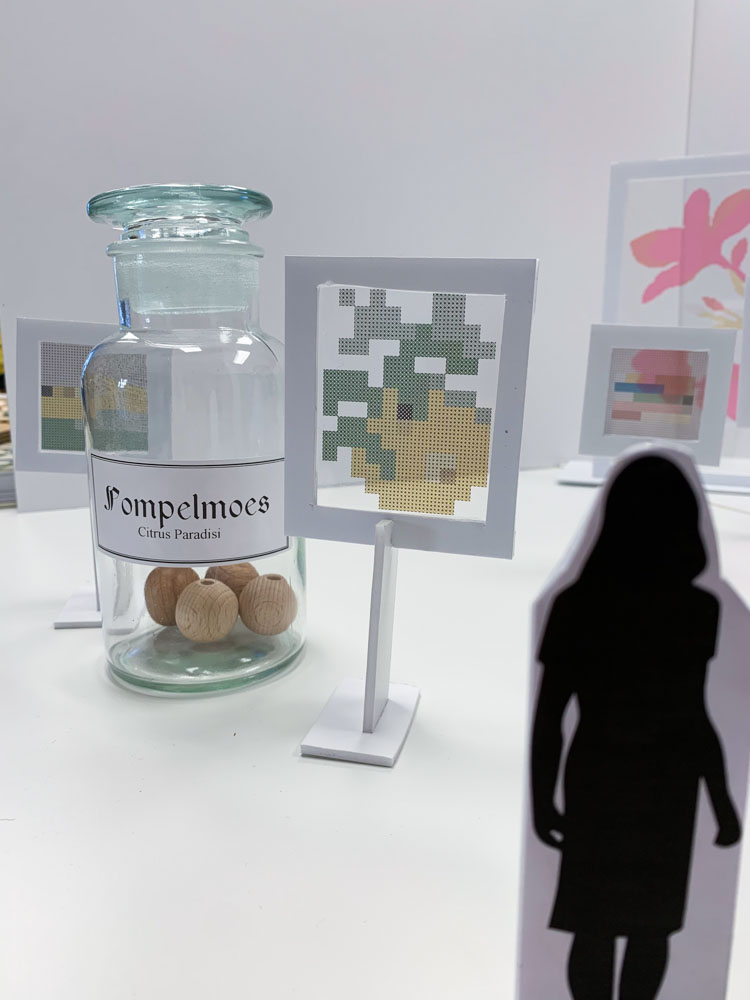
The project has also begun to explore scent as a way of remembering an image.
For example, I collected the scent of the pomelo depicted in plate 29. I am experimenting with translating the original image into an abstract composition of colour fields while retaining the scent of the fruit.
What happens when the recognisable image disappears, but its scent remains? Can scent bring the original image back into our memory? Can a sensory association complete an image that is no longer visually recognisable?
Creating a living ecosystem together
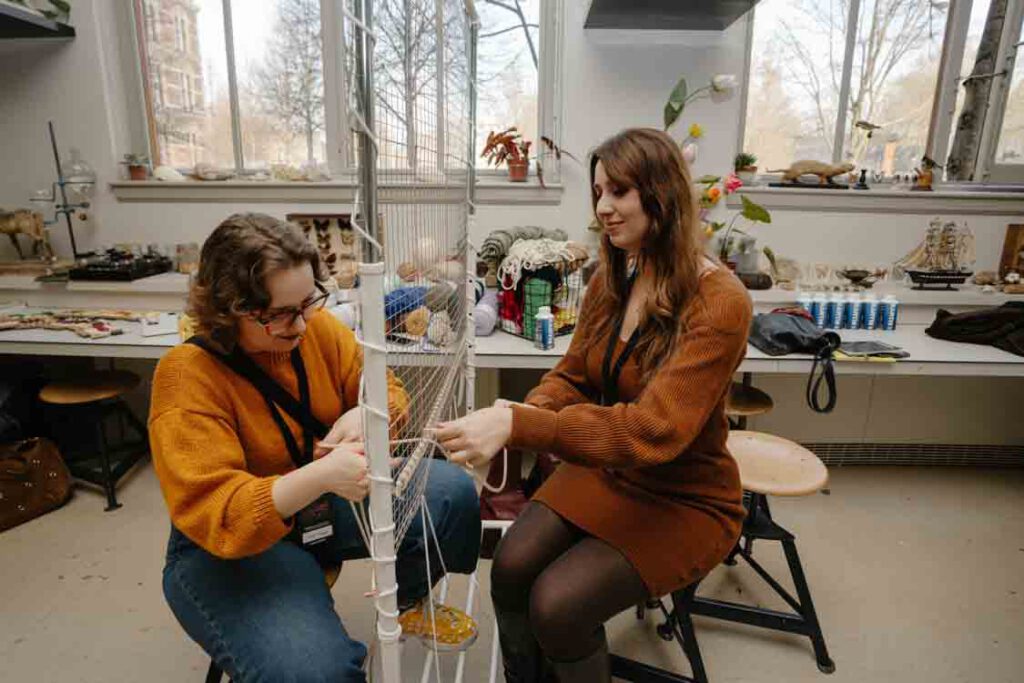
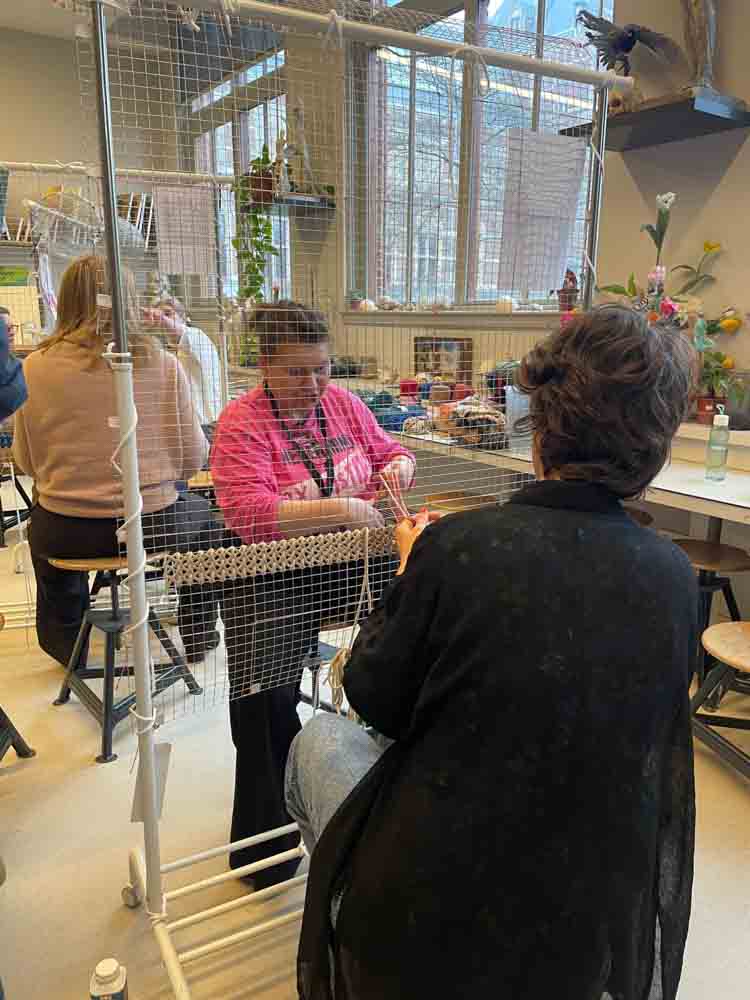
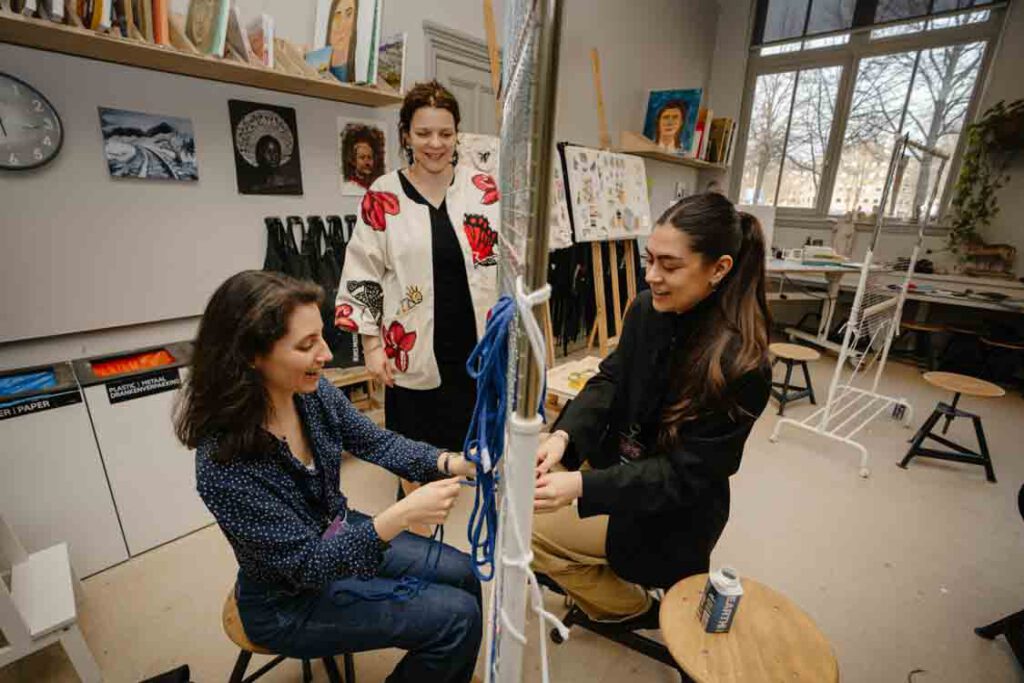
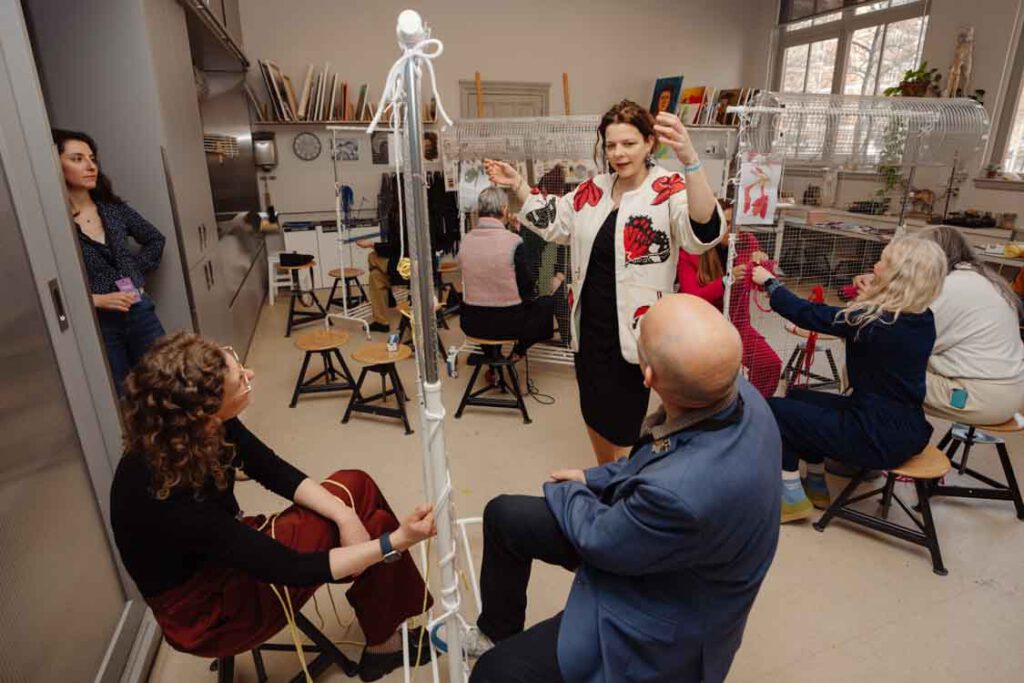
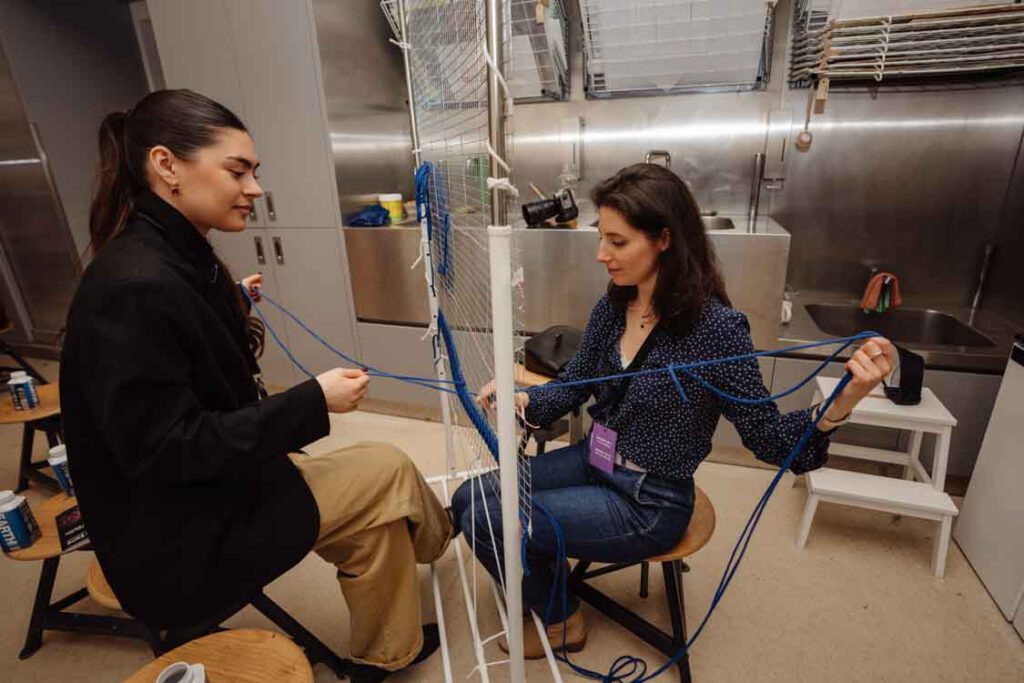
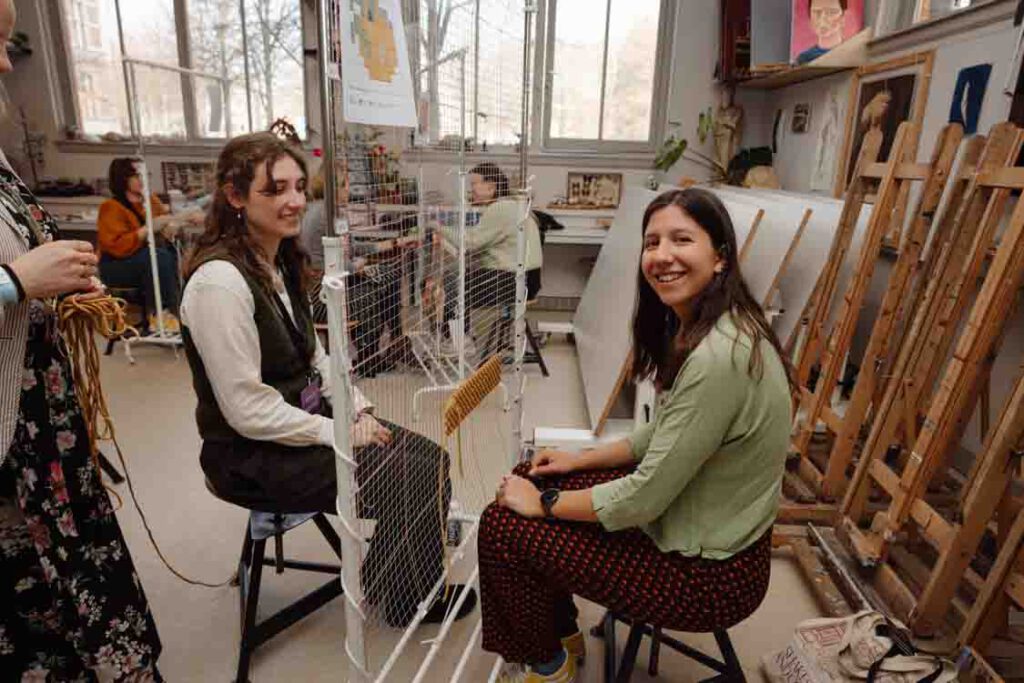
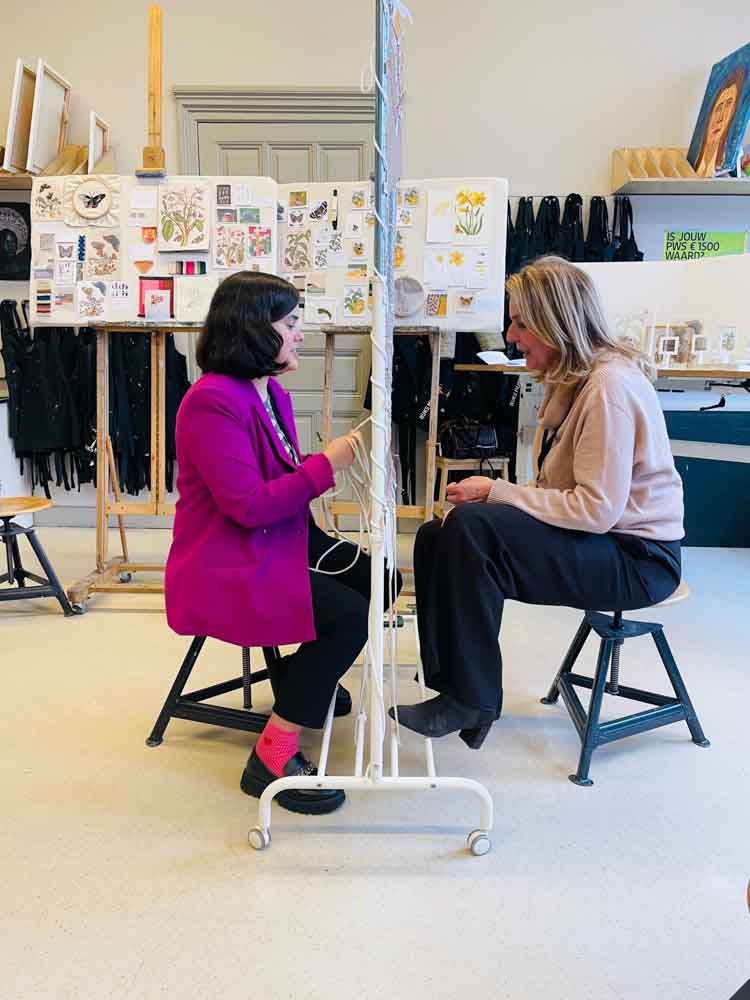
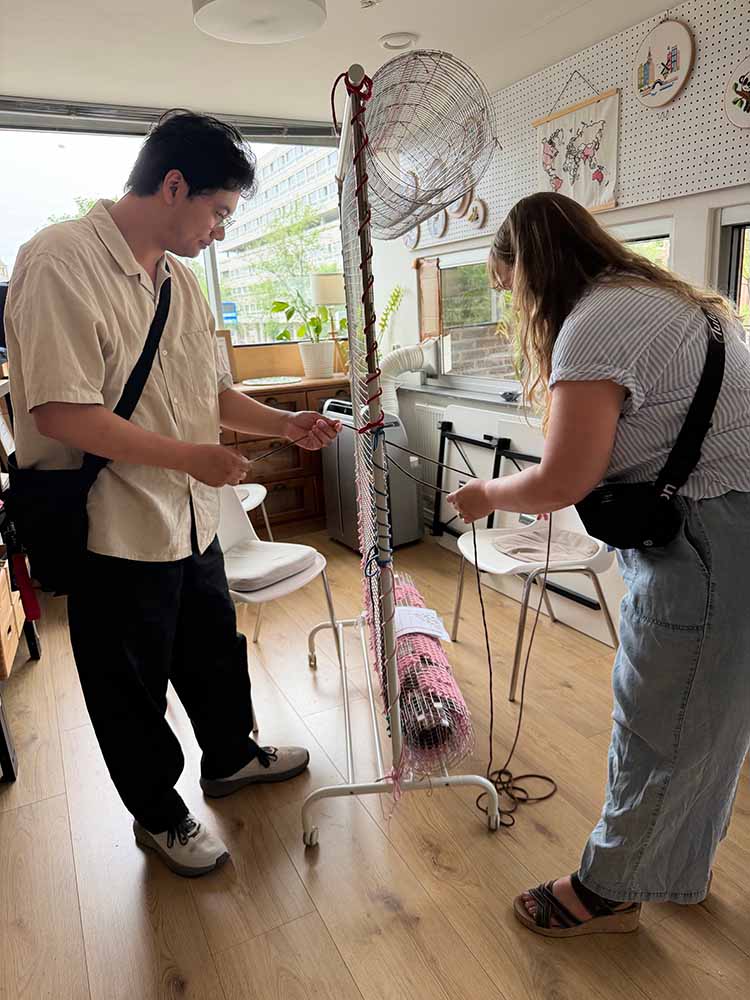
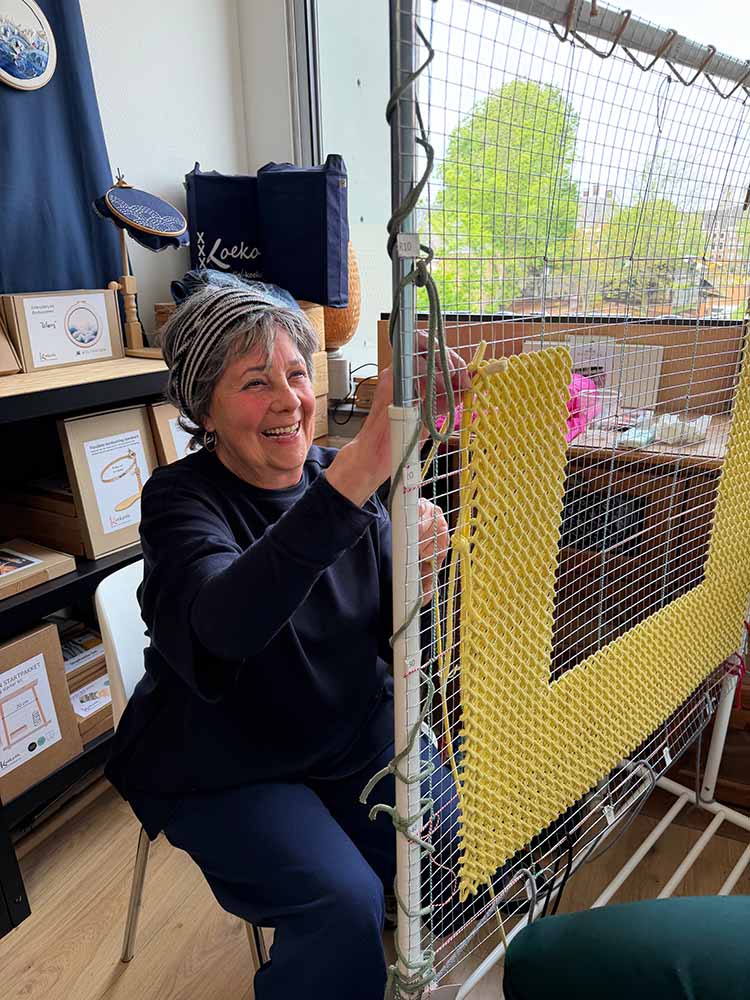
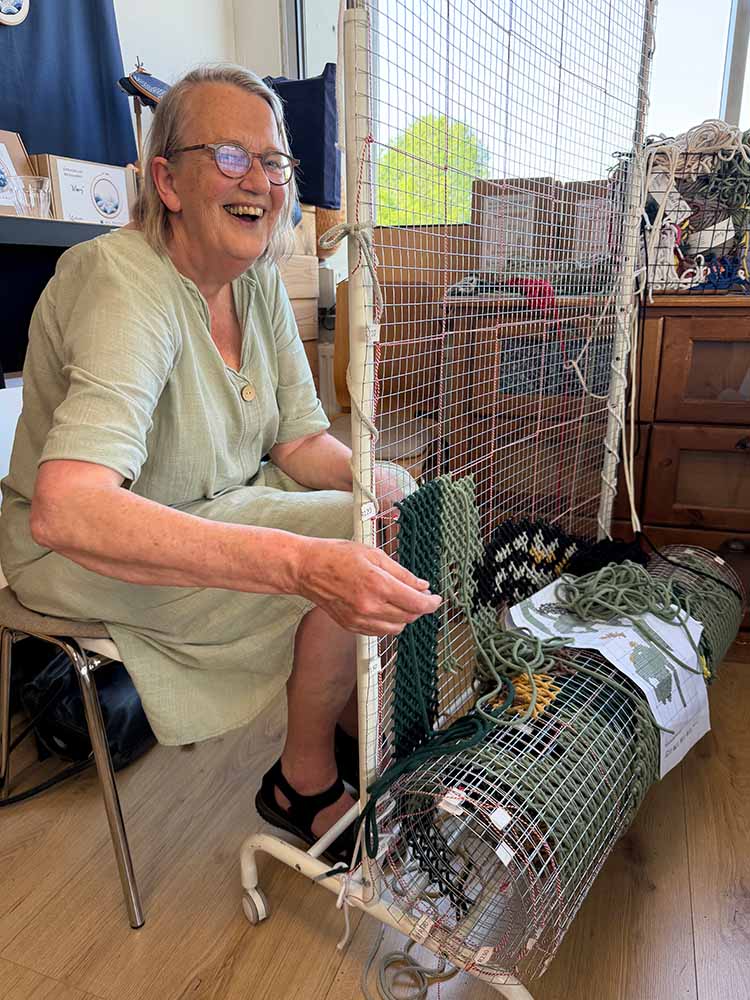
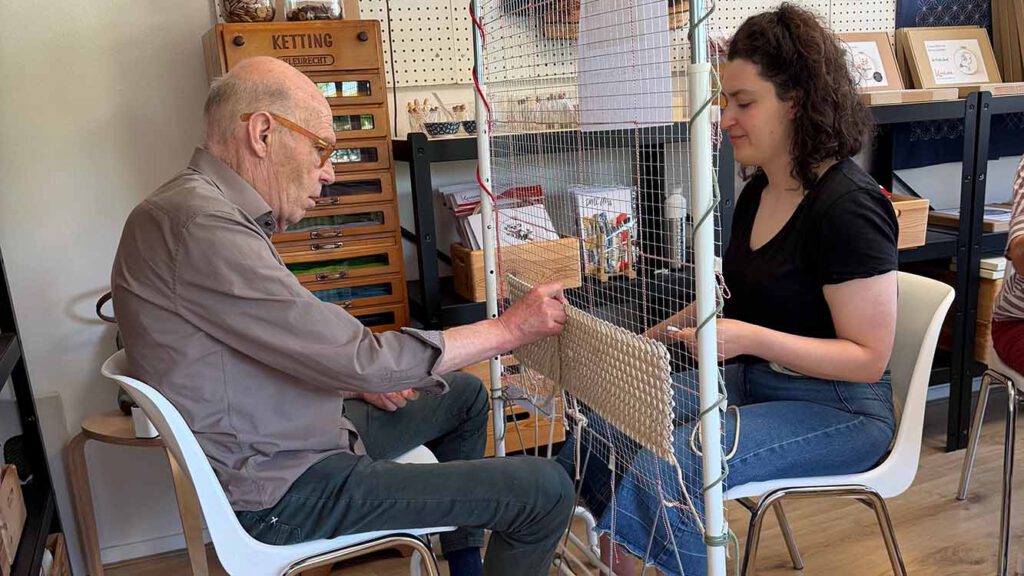
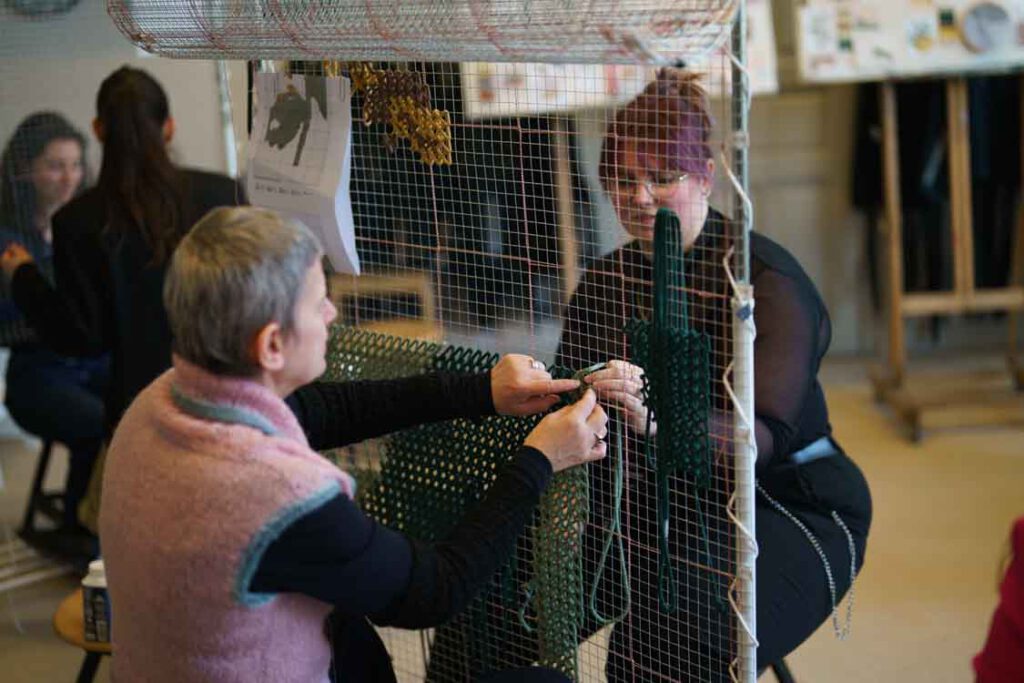
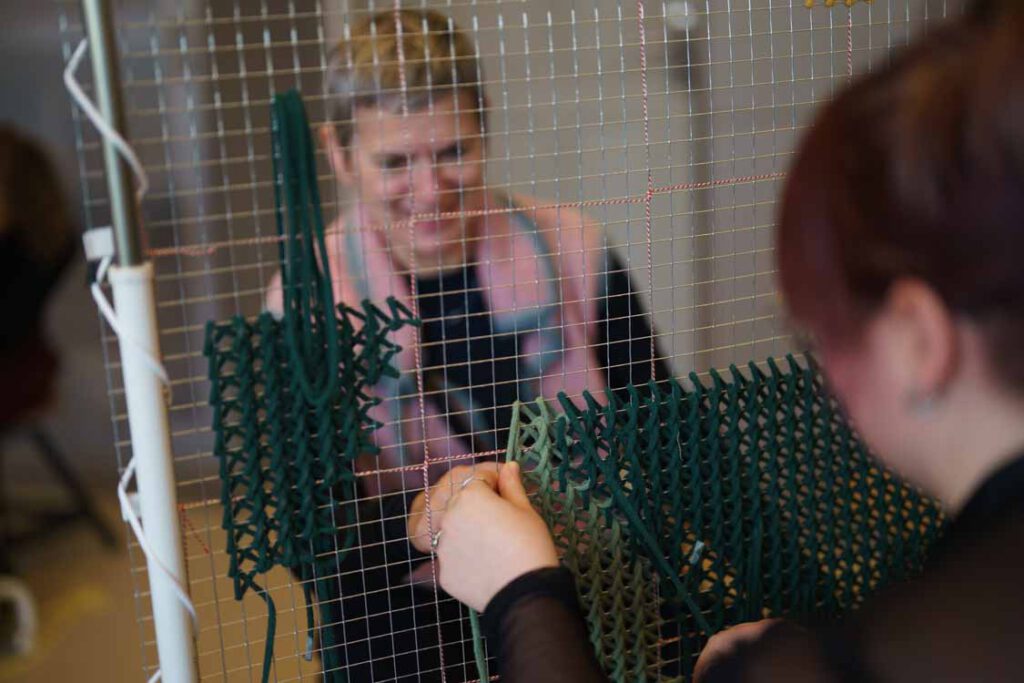
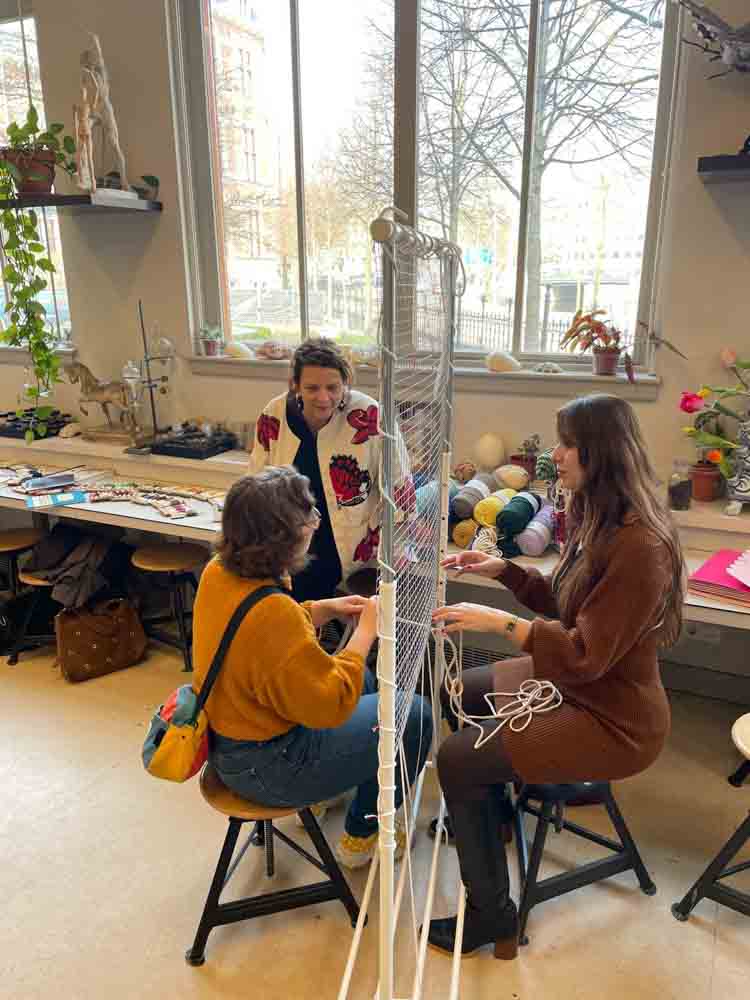
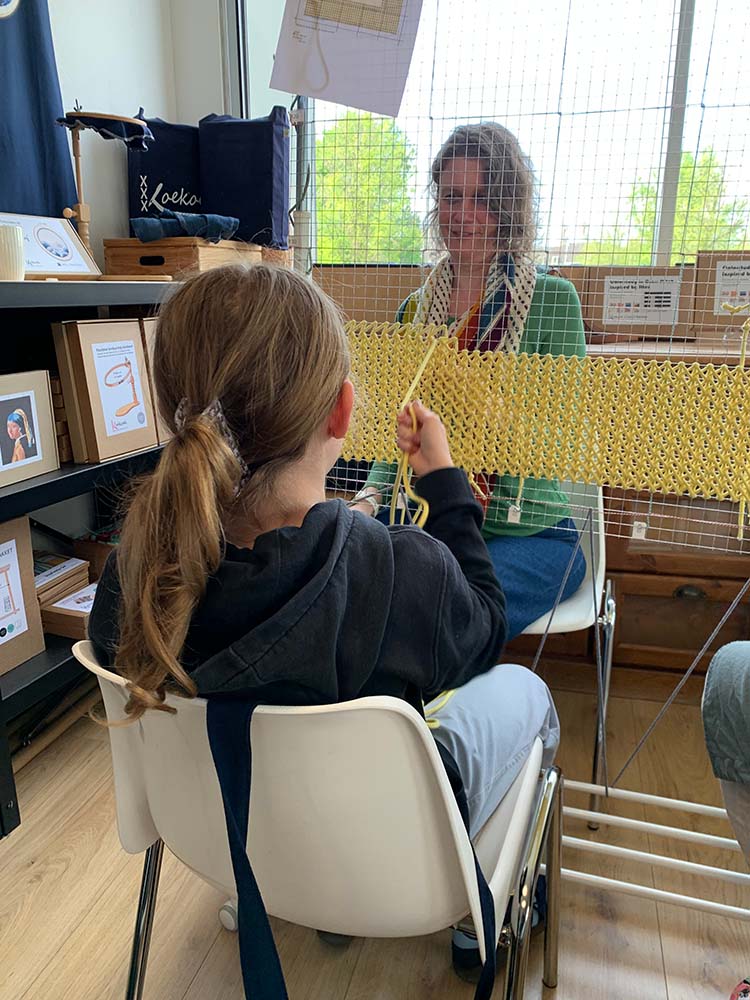
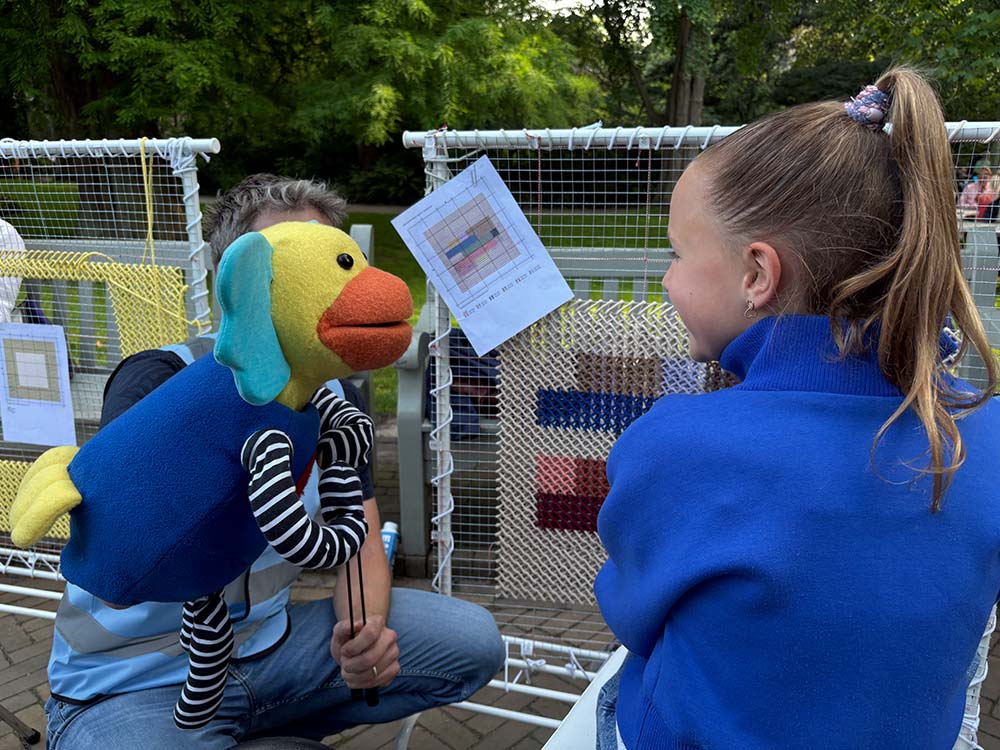
The work grows through many hands. I develop the patterns, while participants bring them into physical form through the slow, shared act of stitching.
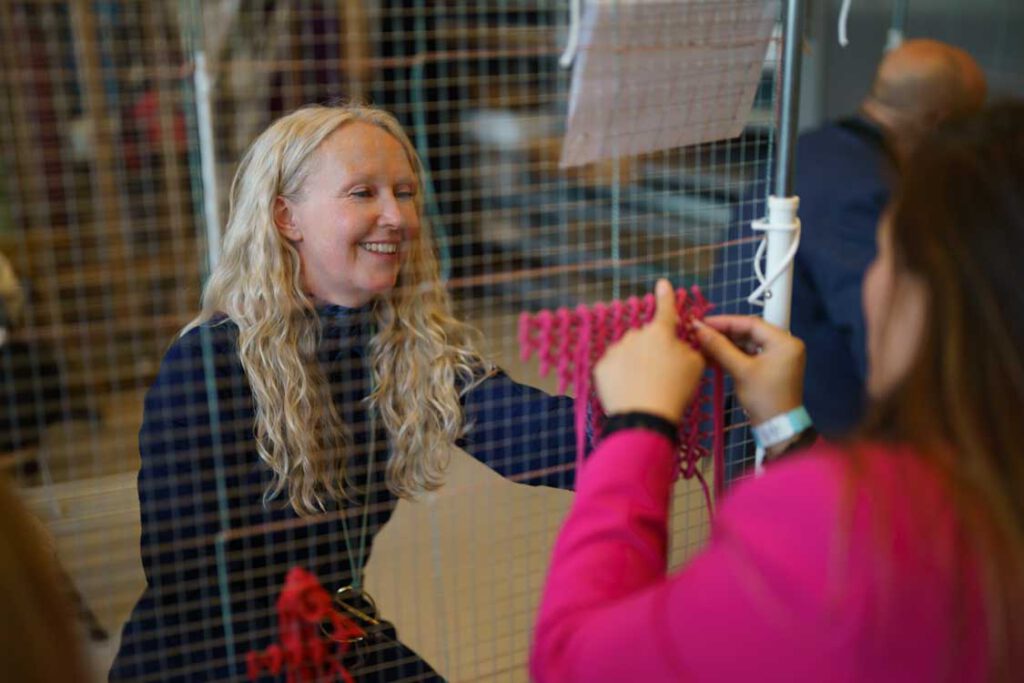
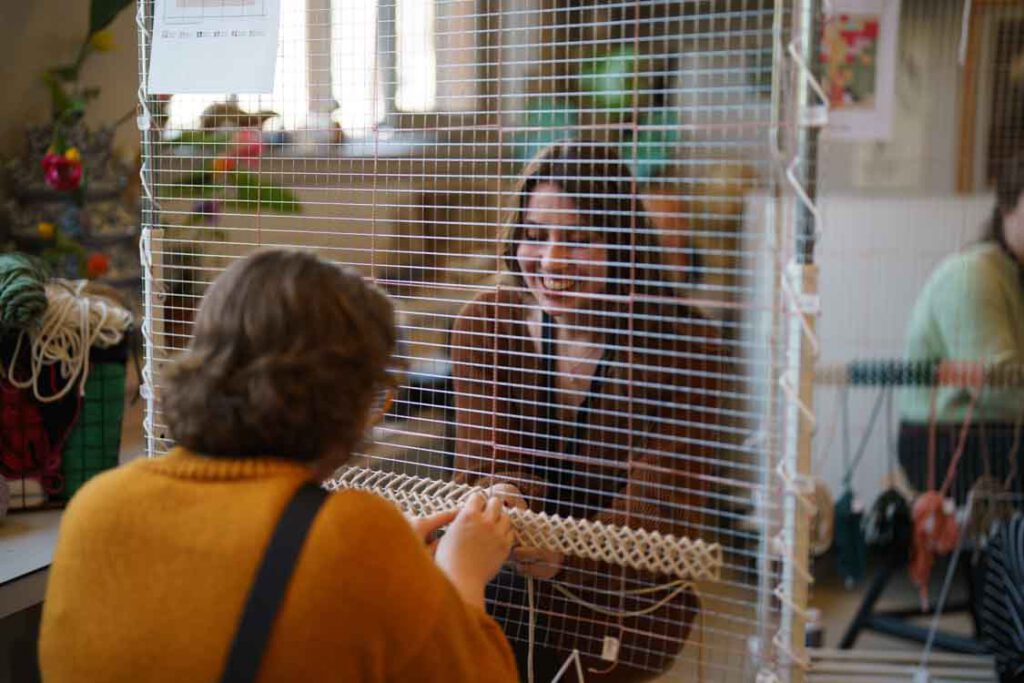
Embroidery — historically associated with domestic labour and often excluded from the canon of fine art — becomes here a tool for observation, connection and shared interpretation.
The work grows gradually, like a living ecosystem.
Metamorphosis from image to jungle
Merian studied the transformation of insects.
A Growing Jungle of Echoes explores another transformation: how colour, context, and collaboration change the way we see an image.
The project is conceived as a growing environment that can expand in different museum spaces, connecting Merian’s legacy with local collections and new audiences.
The project is growing into a collection of textile works of different scales. Some of Merian’s images are enlarged into monumental pieces of more than 4.5 metres high, while other works become smaller and more abstract.
When brought together, these works can create an environment that visitors move through — a jungle seemingly grown from the pages of Merian’s book. Colour, scale, texture, scent and the different interpretations of the original images come together to create a sensory landscape rather than a single representation.
The jungle is not fixed. Each new embroidery, conversation and interpretation adds another layer to the growing work.
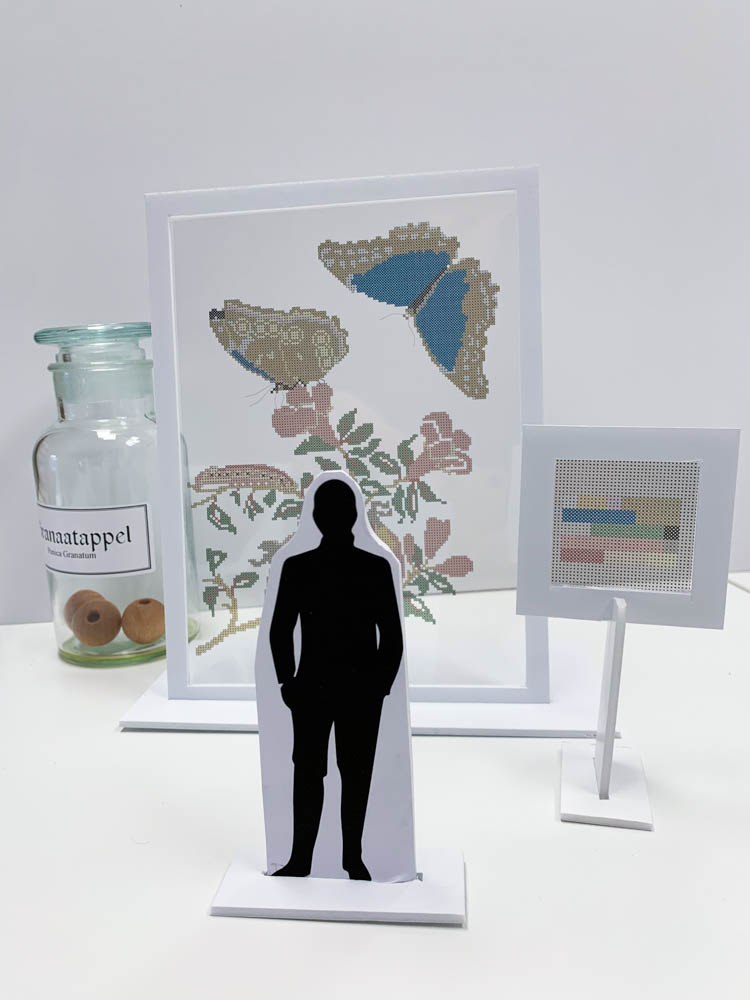
Looking for museums interested in hosting the next chapter
The miniature version represents the project’s design in its present stage of development. Future iterations can be adapted to respond to the collection and context of the hosting institution.
The seeds of this jungle were planted in the Rijksmuseum, but it will take many more embroidery days to become a jungle.
Gerda is currently looking for curators in museums and other locations, interested in hosting the next chapter of this growing work.
Please contact us for more information.
Contributors
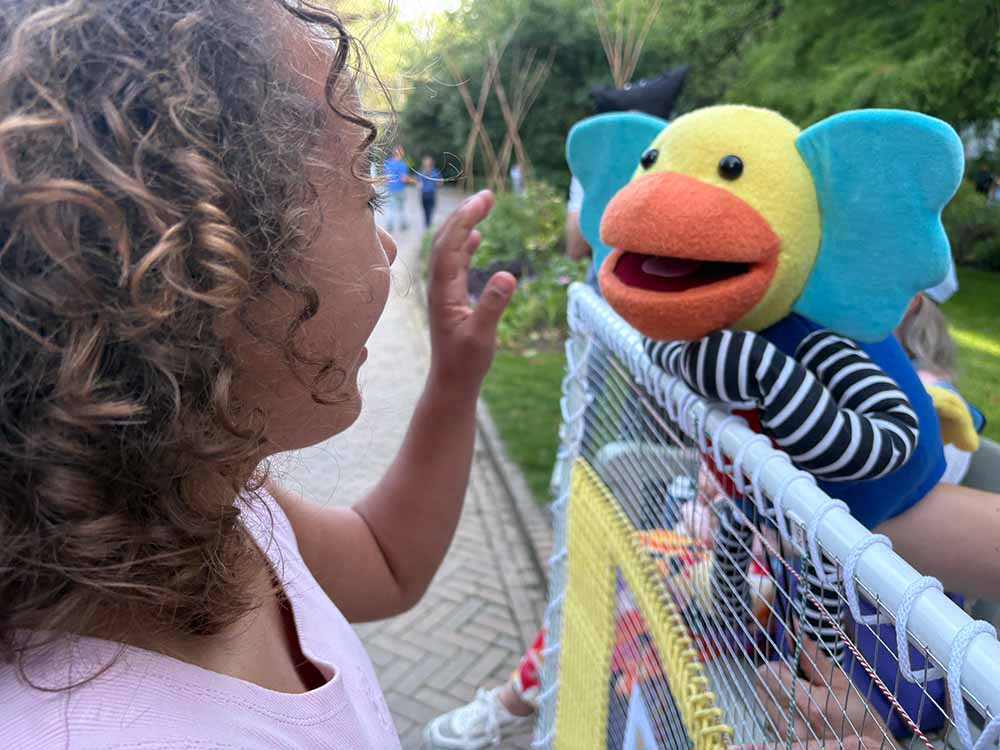
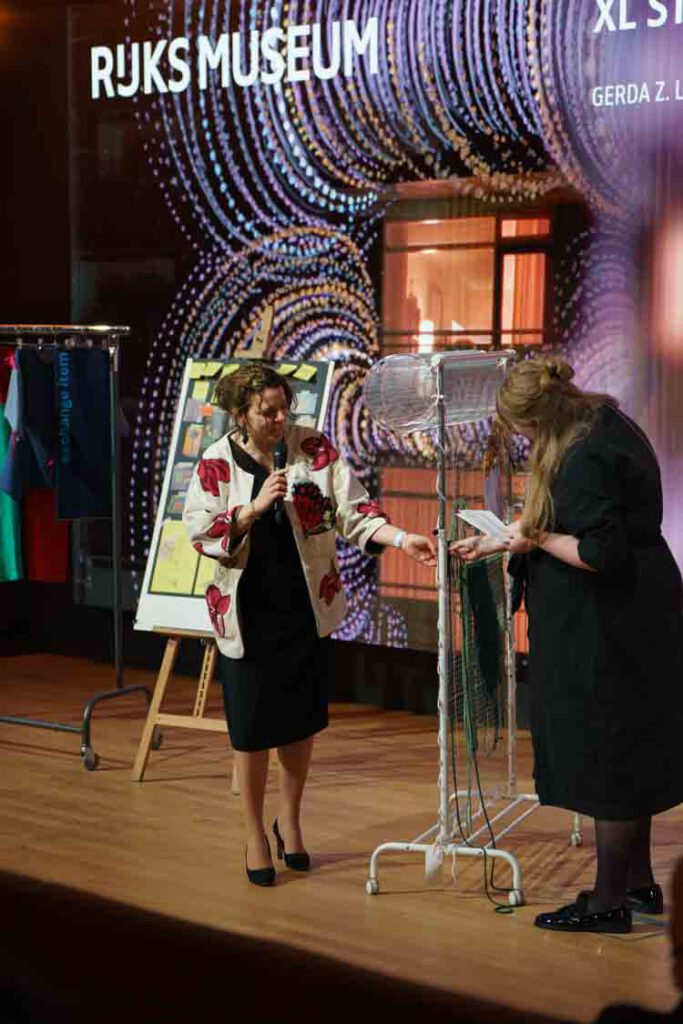
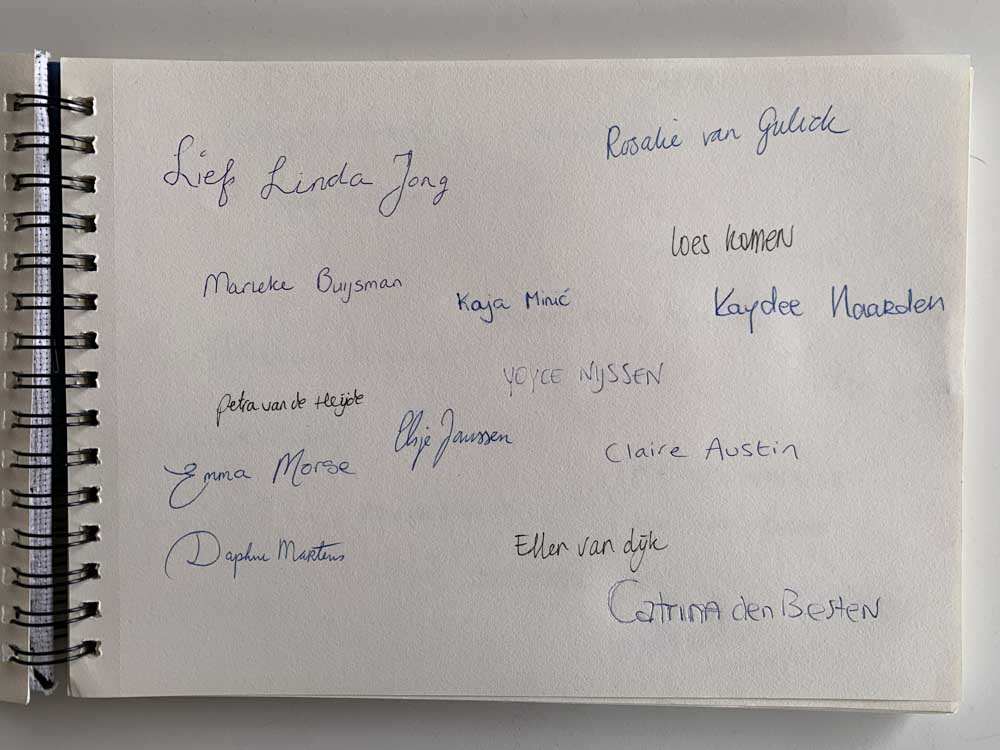
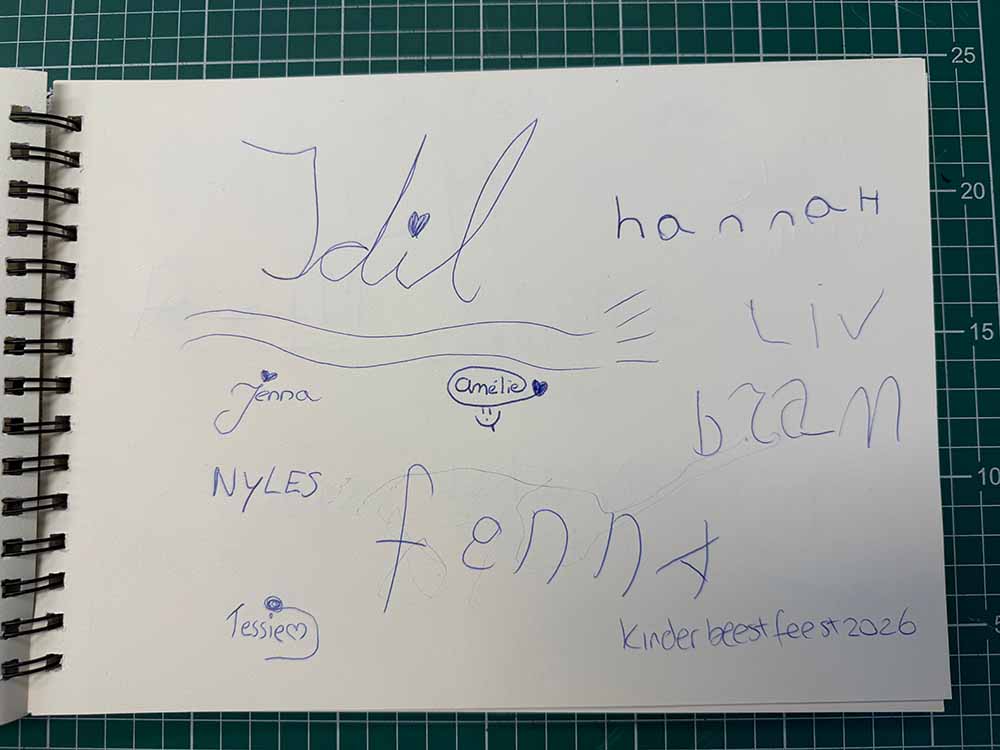
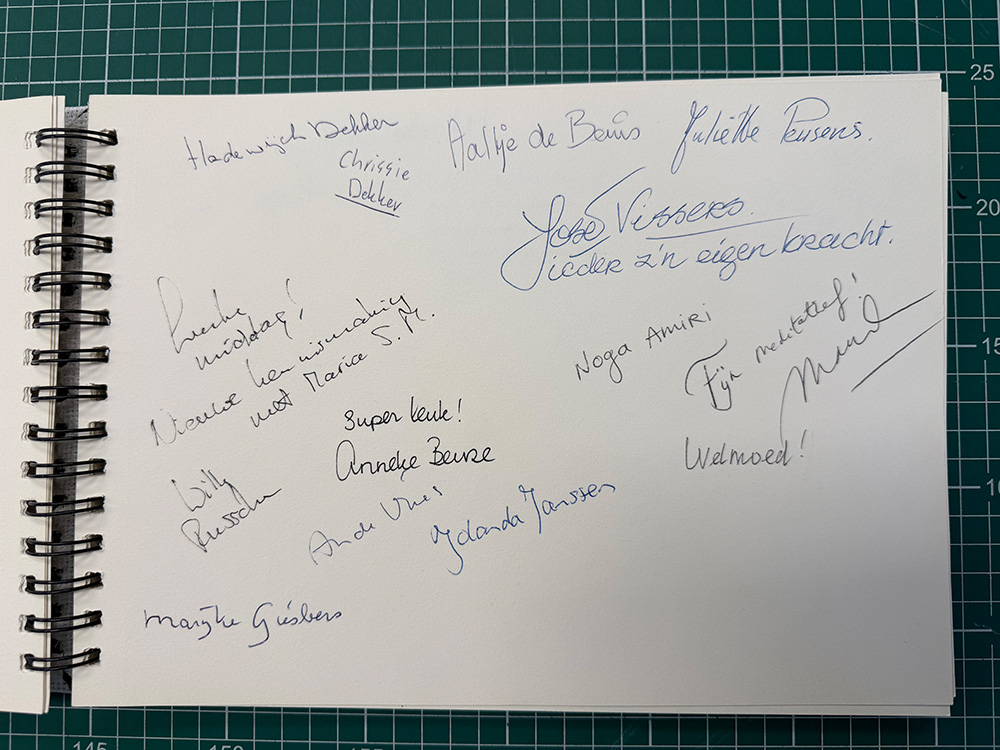
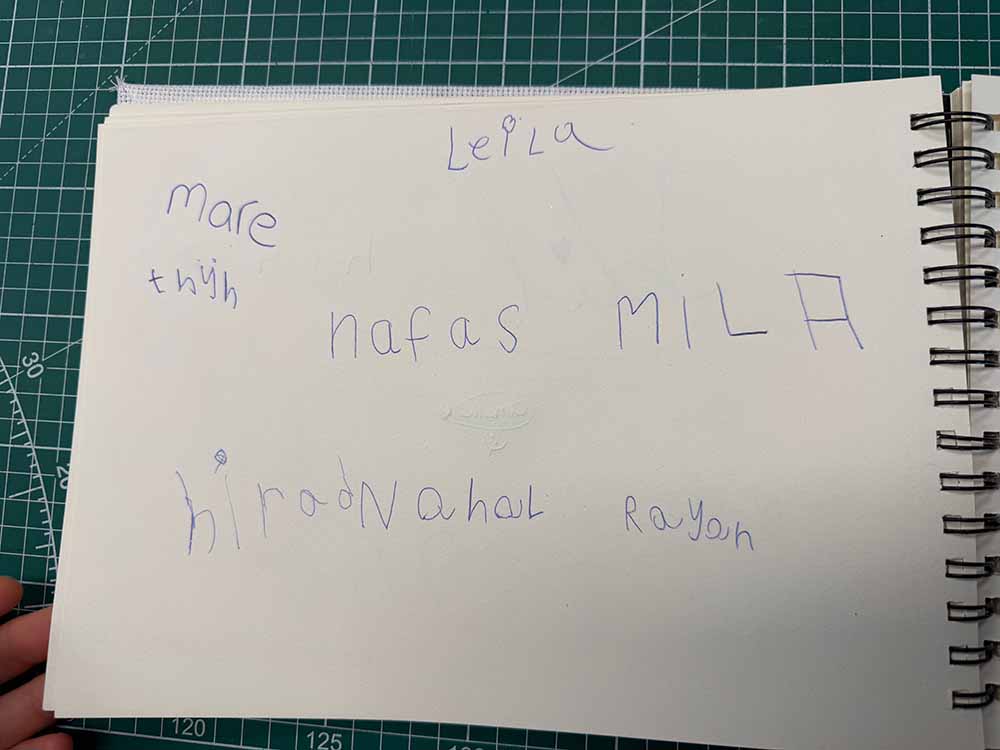
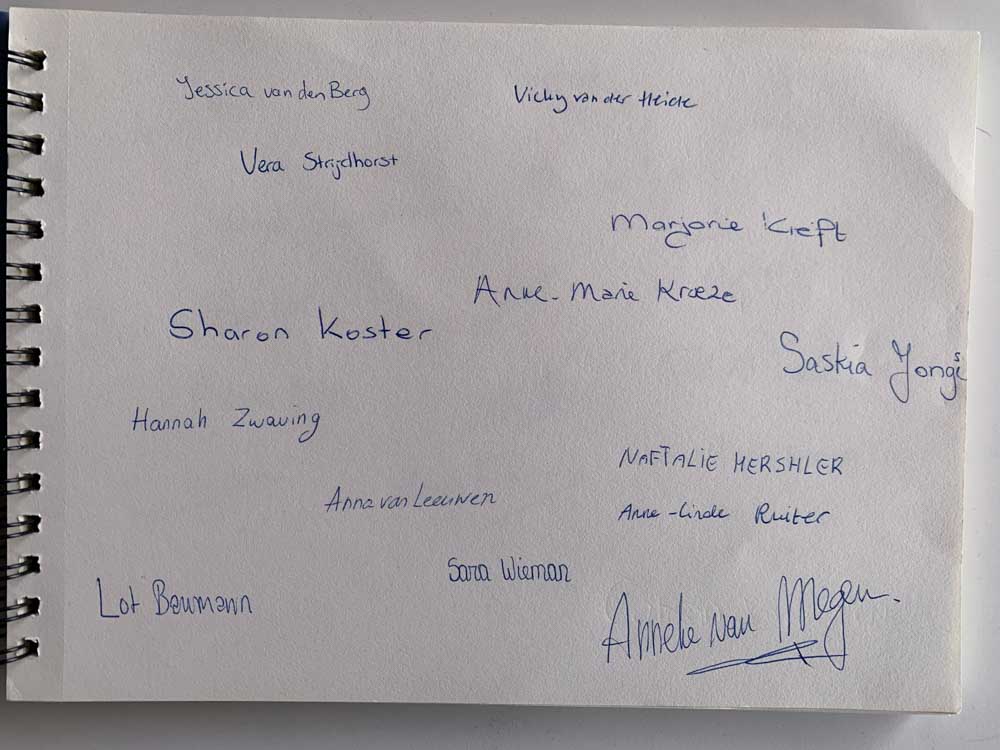
This project would not have been possible to start without the help of many participants. Throughout the project we will continue to invite each contributor to add their name to the book, as shown in the pictures. Names are intentionally made visible to recognise the role each person played in bringing this project to life.
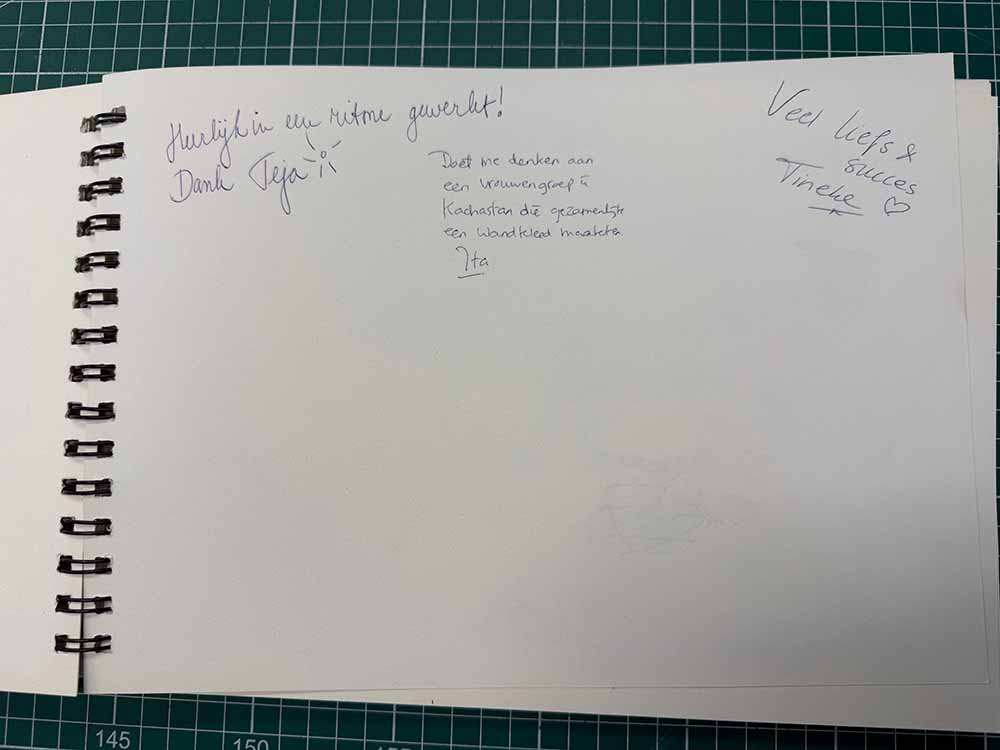
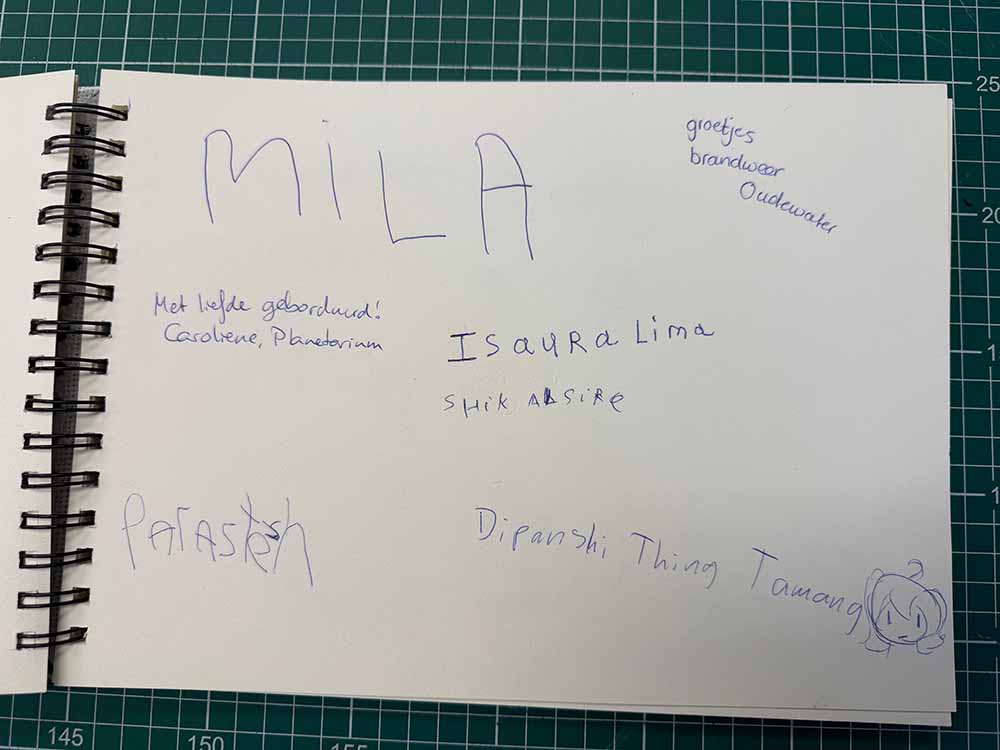
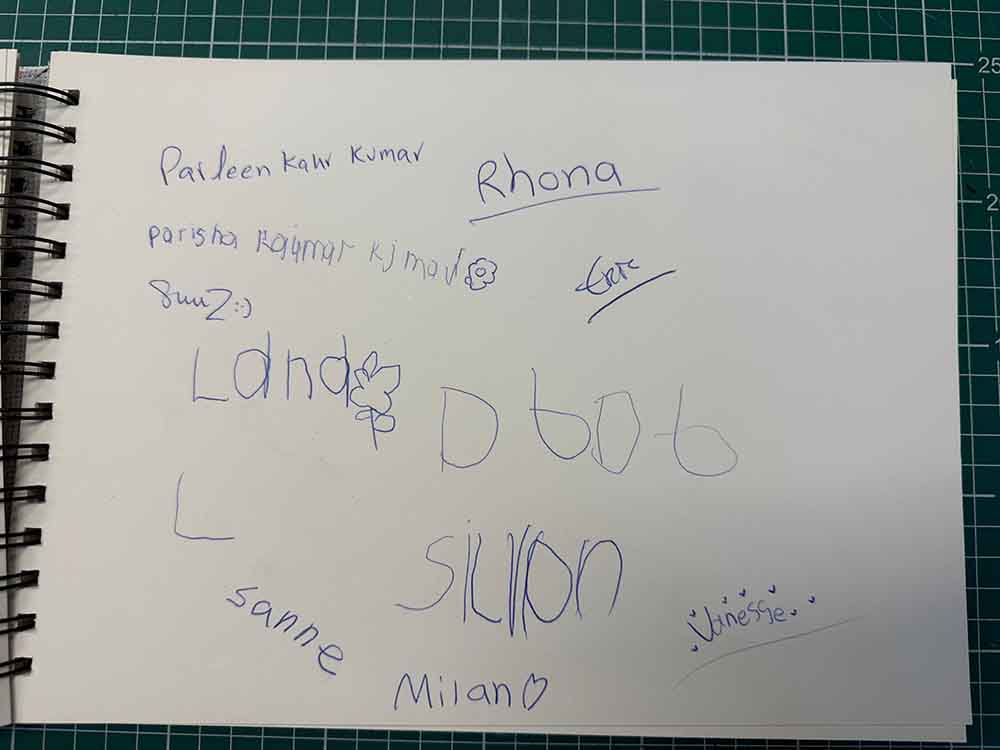
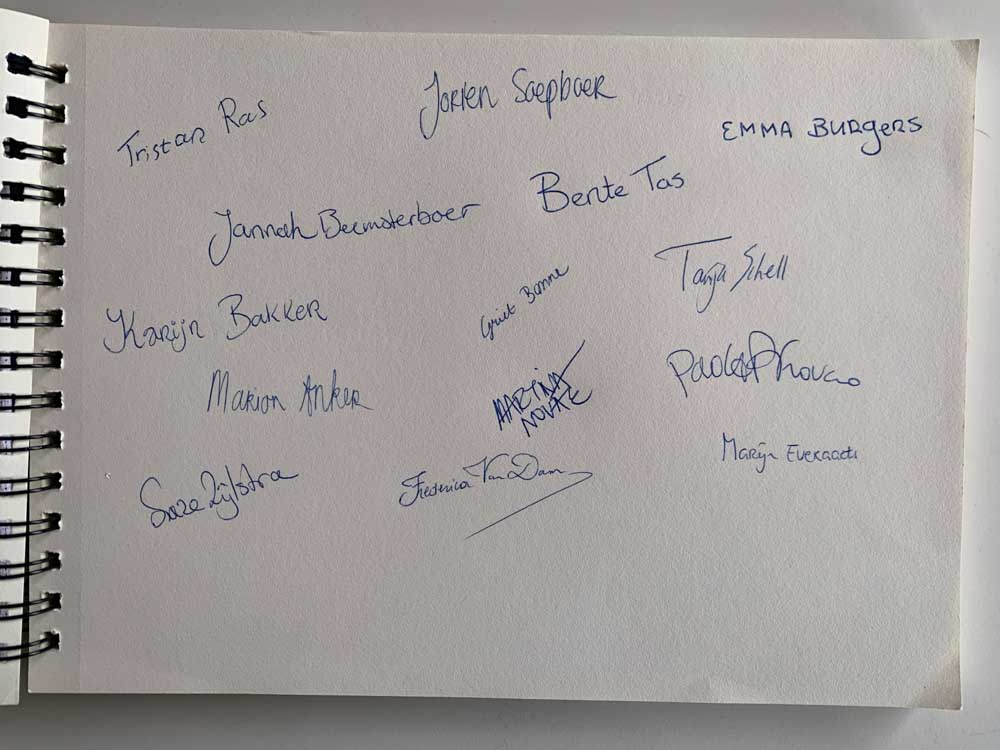
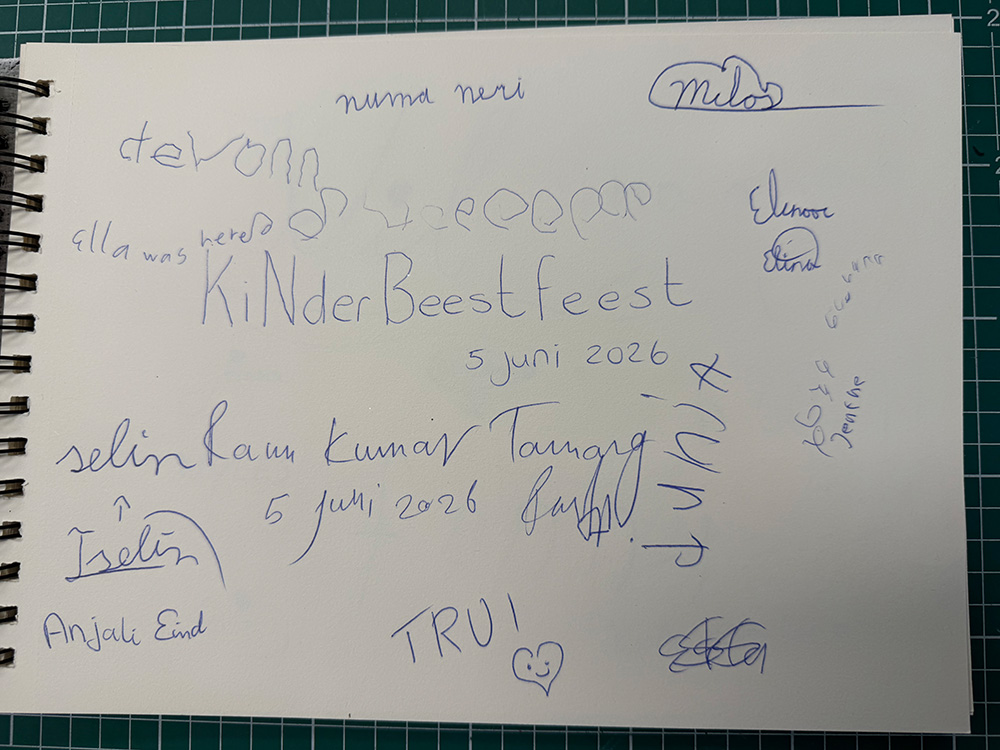
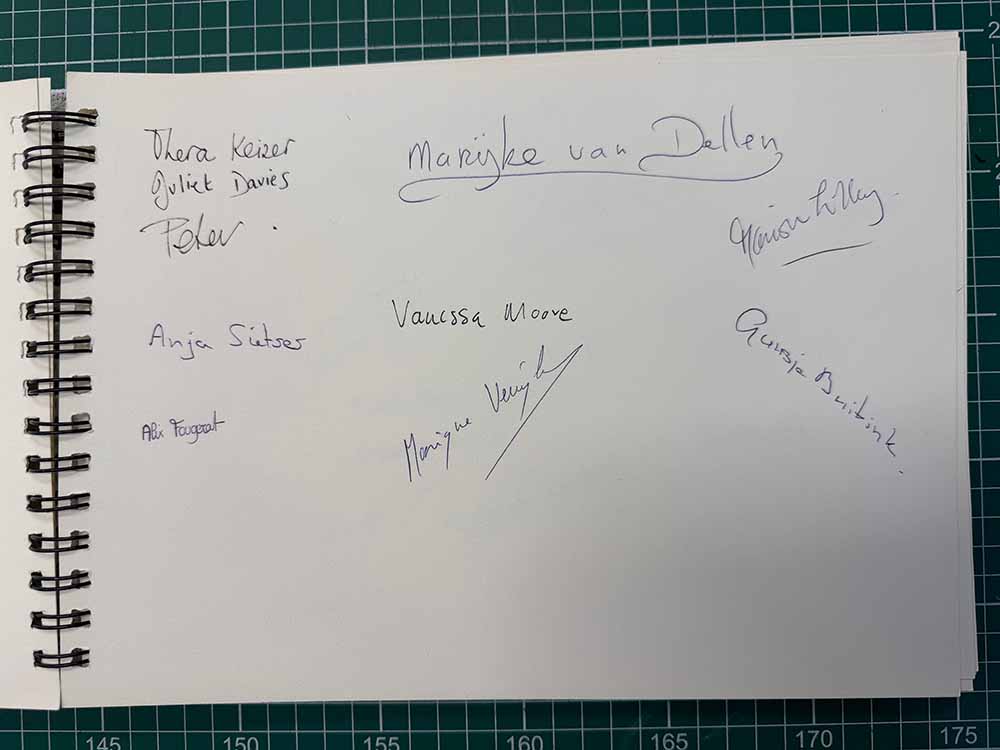
Photos on this page by Jeunique Mingels & Studio Koekoek
JOIN THE PROJECT!
This project is ongoing. And you’re more than welcome to join. You do not need any stitching experience. Find all stitching dates and details and sign up via the form so we can ensure there is space for everyone.
Book a private stitching event
Looking to add a unique, hands-on experience to your event? As part of this project, we offer private XL embroidery sessions for companies, museums, and organization. Perfect for team-building, client events, workshops, and cultural programming.
Contact us to tailor the experience to your location, group size, and schedule.